All Posts By

Jeffrey St. Firmin, PA-C

Jeffrey St. Firmin, PA-C, is a Fort Lauderdale native and graduate of Florida Gulf Coast University, where he earned his degree in Clinical Laboratory Science with a minor in Chemistry. He completed his Physician Assistant training at Nova Southeastern University in 2017 and began his clinical career in orthopedic surgery before transitioning into emergency medicine. With over seven years of acute care experience, Jeffrey witnessed how fragmented follow-up often led patients back to the ER. That insight drives his commitment to direct primary care and wellness today—where he provides timely, personalized care focused on prevention, empowerment, and long-term health outcomes.

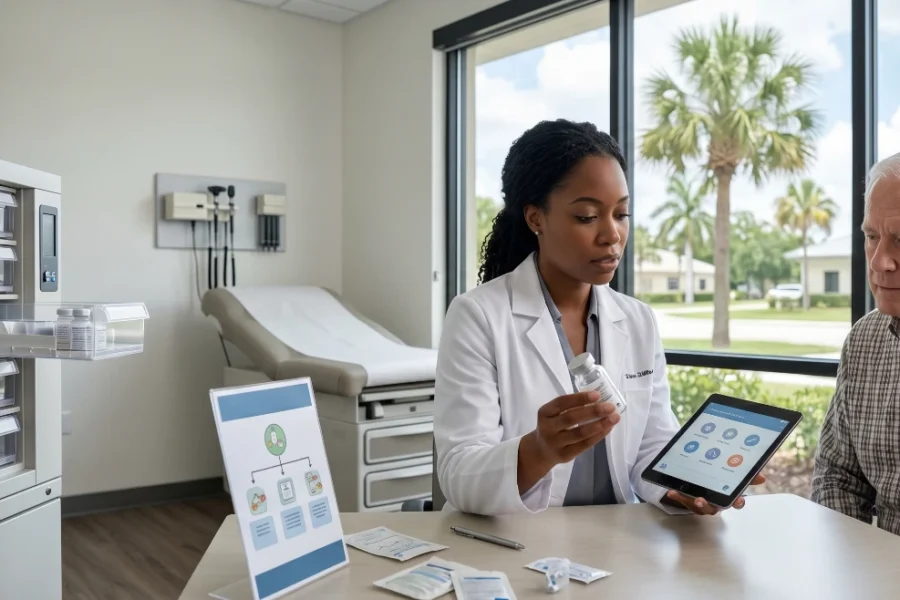
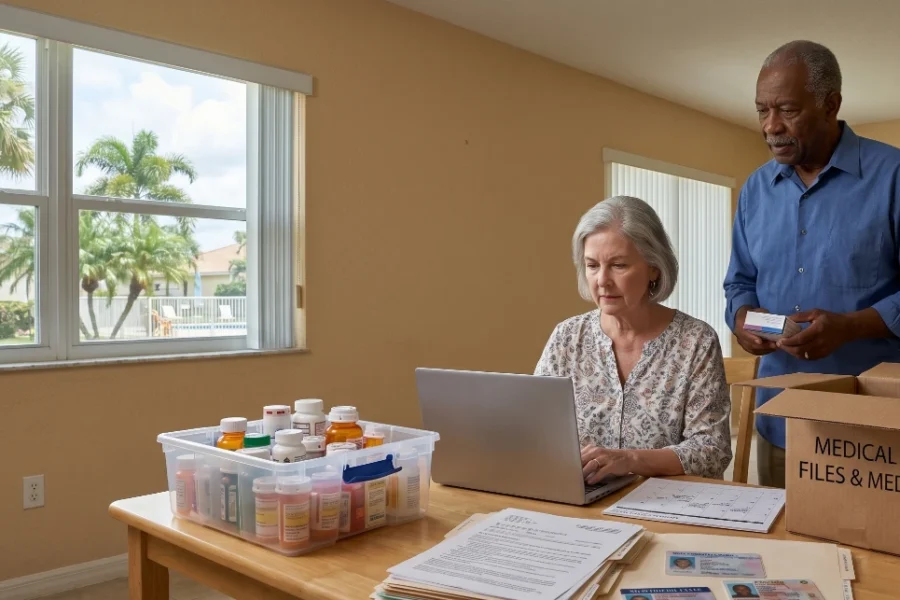
Medication Overload, Falls, and Medication Review
Medication Overload, Falls, and the Once-a-Year Medication Review Every Older Adult Should Consider Healthcare Topics

Medication Overload, Falls, and the Once-a-Year Medication Review Every Older Adult Should Consider

Why this deserves attention in Lee County A fall rarely starts with one dramatic moment. Many older adults notice smaller changes first, such as feeling lightheaded when they stand up, moving more slowly at night, or losing confidence on stairs. In Lee County, that matters because adults 65 and older…
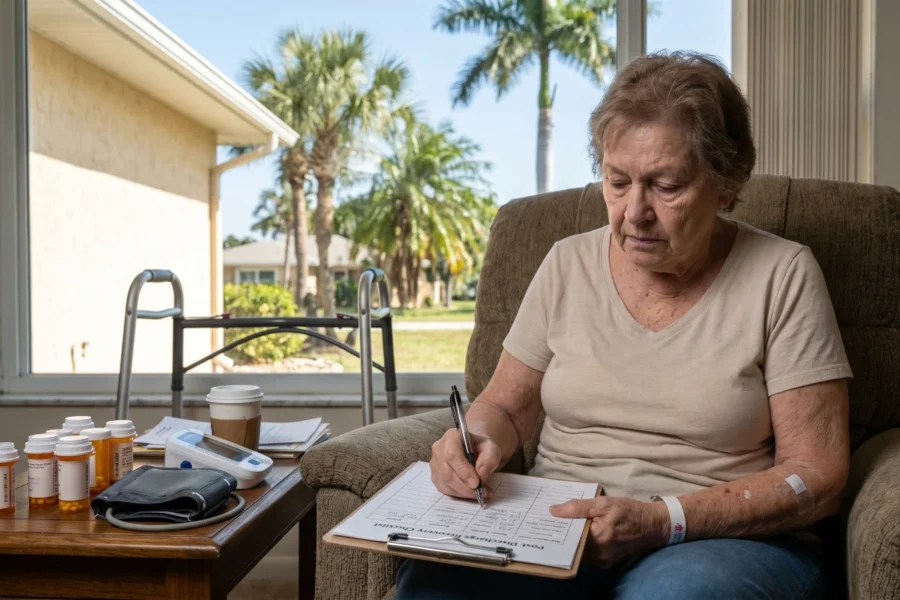
After the ER or Hospital Follow-Up
After the ER or Hospital: Why the First Primary-Care Follow-Up Can Change What Happens Next Healthcare Topics

After the ER or Hospital: Why the First Primary-Care Follow-Up Can Change What Happens Next

A lot of people expect relief once they leave the ER or hospital, yet the first days at home can feel more confusing than the discharge itself. A new prescription may appear on the paperwork, an old medication may disappear, and the reason for each change may still feel fuzzy.…
Alzheimer’s, Memory Changes, and Caregiver Strain
Alzheimer’s, Memory Changes, and Caregiver Stress in Lee County: A More Personal Primary-Care Option for Families Healthcare Topics

Alzheimer’s, Memory Changes, and Caregiver Stress in Lee County: A More Personal Primary-Care Option for Families

Memory loss often enters family life quietly, then starts changing daily routines in ways that feel impossible to ignore. Lee County’s current community health assessment estimates that 11.4% of residents age 65 and older had Alzheimer’s disease in 2023, and it also identifies Alzheimer’s disease as the sixth leading cause…
When Mental Health Is the Main Problem: How Modern Primary Care Is Closing the Access Gap
When Mental Health Is the Main Problem: How Modern Primary Care Is Closing the Access Gap DPC Membership Benefits

When Mental Health Is the Main Problem: How Modern Primary Care Is Closing the Access Gap

Mental health concerns rarely arrive neatly labeled, and many people first mention anxiety, low mood, or sleep trouble during a routine medical visit. That moment often becomes the point where care either starts moving forward or quietly stalls. Traditional referral systems can unintentionally turn that moment into a dead end,…
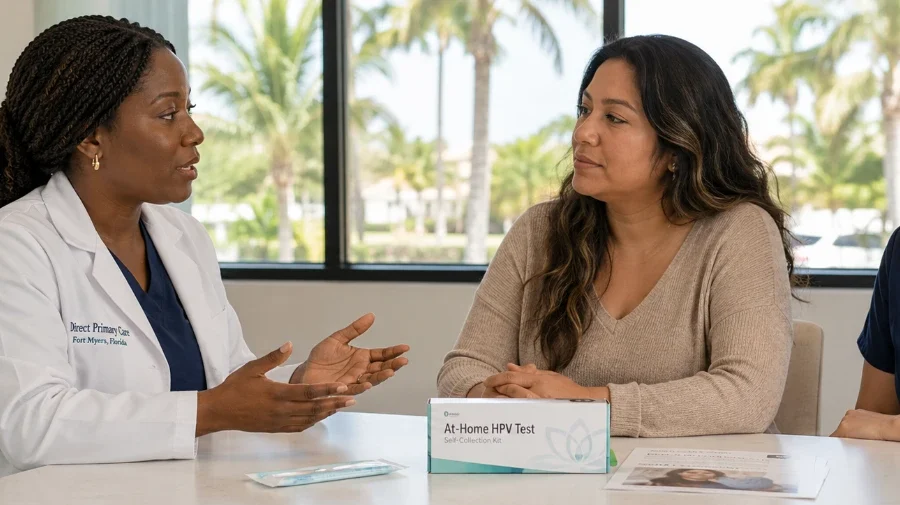
Screening Starts at 40 Again: What the 2024 USPSTF Update Means for Women in Southwest Florida
Screening Starts at 40 Again: What the 2024 USPSTF Update Means for Women in Southwest Florida Healthcare Topics

Screening Starts at 40 Again: What the 2024 USPSTF Update Means for Women in Southwest Florida

When Screening Guidance Needs a Clear Primary-Care Plan Mammogram guidance helps most when it becomes a practical timeline, not another reminder that gets lost. A primary-care conversation can help clarify screening age, symptoms, risk factors, dense breast reports, and follow-up questions in one organized place. Women ages 40 through 74…
The “Should I Go to the ER?” Decision: How Same-Day Primary Care Changes the Math
The “Should I Go to the ER?” Decision: How Same-Day Primary Care Changes the Math DPC Membership Benefits

The “Should I Go to the ER?” Decision: How Same-Day Primary Care Changes the Math

When “Should I Go?” Needs a Clearer First Step Many urgent health decisions start with uncertainty, not a clear emergency. A direct primary-care relationship can help patients sort stable symptoms, medication questions, follow-up needs, and escalation signs before every concern turns into an ER decision. Stable symptoms often need interpretation,…