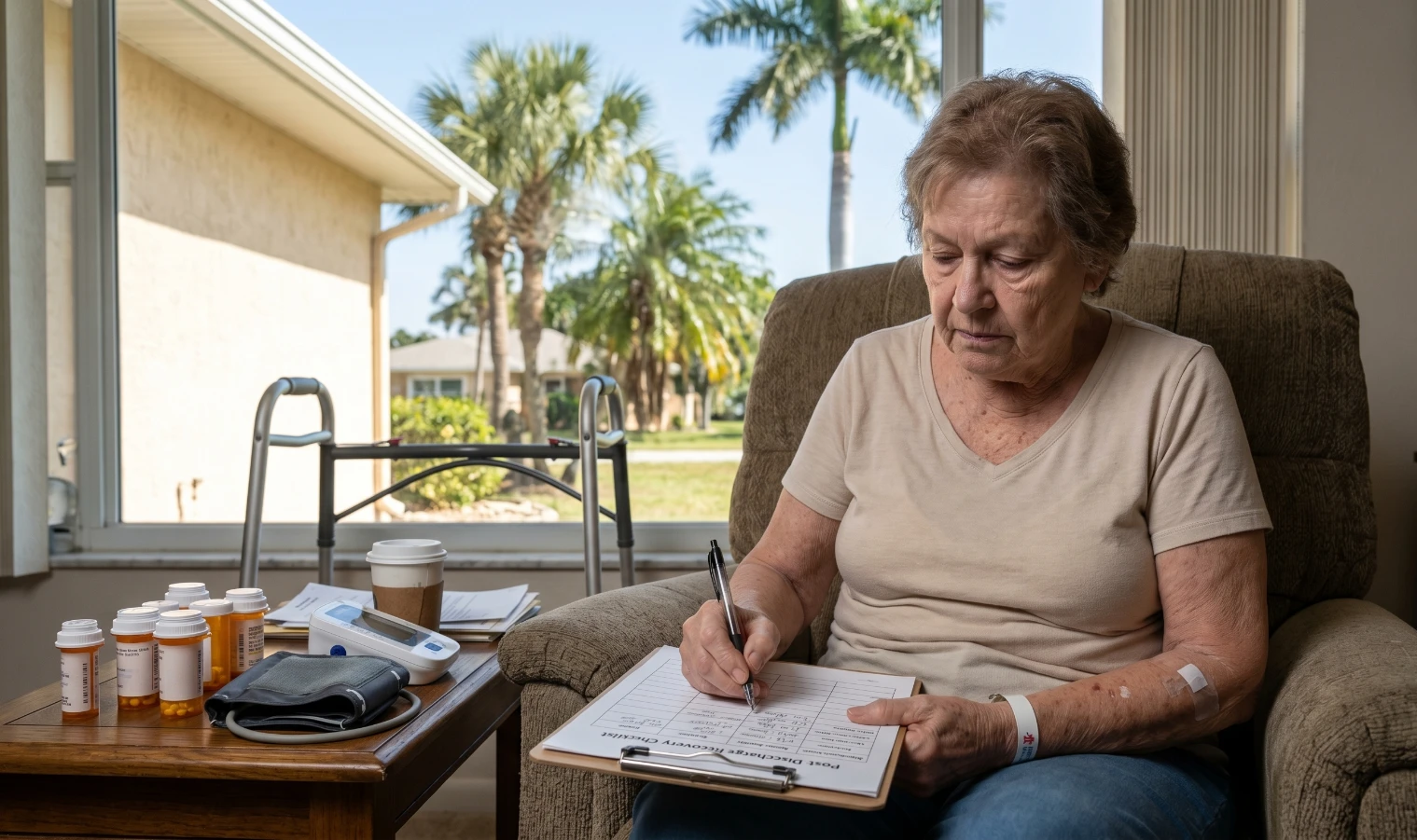
You’re home from the ER or hospital. Now what?
The ride home can feel like relief until the discharge papers hit the kitchen table. Many Lee County patients come home with new prescriptions, changed instructions, referral papers, test results, and a follow-up timeline that felt clearer in the hospital than it does the next morning. A spouse may ask which pill changed, an adult child may wonder whether a specialist should call, and the patient may only remember pieces of the conversation. That confusion does not mean anyone failed; it means hospital-to-home recovery has several moving parts.
The First Follow-Up Should Turn Discharge Papers Into a Plan
After an ER or hospital visit, patients often need help sorting medication changes, warning signs, pending results, and referral instructions. A focused primary care follow-up can make the home plan easier to understand.
- Compare the discharge medication list with the bottles used at home.
- Clarify which symptoms should trigger urgent or emergency care.
- Identify pending labs, imaging results, referrals, or follow-up calls.
A Primary Care Visit Can Help Organize Recovery
A membership-based direct primary care relationship can support post-discharge medication review, follow-up planning, and practical questions when clinically appropriate.
Physician-reviewed content • Evidence-aware care • Personalized treatment planning
Start With the Questions That Affect the Next Few Days
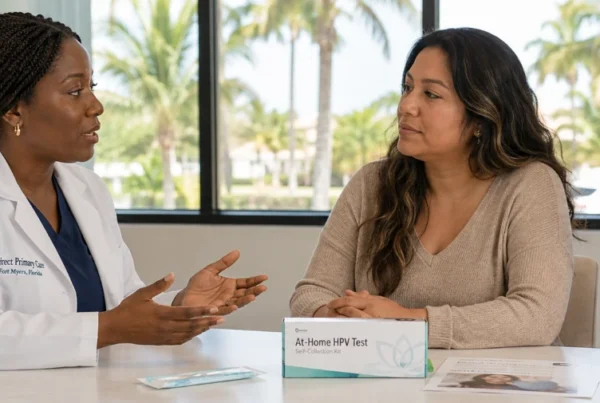
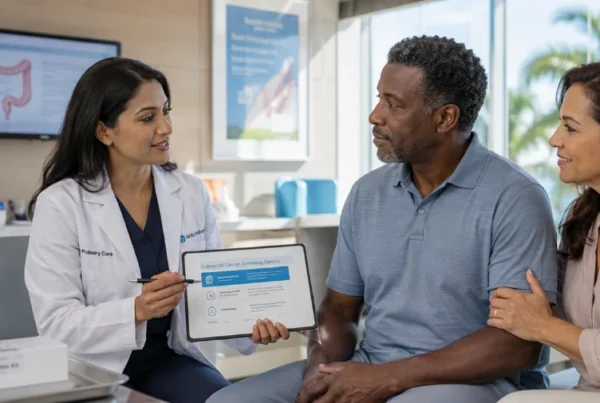
Patients can review the first follow-up guide for a broader visit framework, or read the DPC FAQs before asking about membership-based care.
A follow-up visit gives patients a place to sort those moving parts before small gaps become bigger problems. The goal is simple: bring the paperwork, medication details, symptoms, and questions into one conversation. A primary care or DPC provider can help translate the discharge plan into plain language, but severe or worsening symptoms still need urgent help. The discharge instructions and emergency guidance always come first. Patients should keep those papers nearby during the first days at home.
Why the first follow-up visit can prevent confusion
Hospitals and emergency departments focus on the immediate problem. A patient may leave after dehydration, chest pain, infection, abdominal pain, a fall, a breathing flare, or a procedure, but the home plan can involve several separate tasks. The Agency for Healthcare Research and Quality’s IDEAL discharge planning checklist highlights the same items families often need reviewed after returning home: medications, warning signs, test results, plain-language instructions, and follow-up appointments. That guidance fits the questions many families ask after they get home.
The risk after discharge is not imaginary. AHRQ Patient Safety Network reports that a classic study found nearly 20% of patients experienced adverse events within three weeks after discharge, and medication-related events ranked among the most common problems. That does not mean every patient should worry, but it does show why the first follow-up can matter. A calmer review often catches confusion that nobody noticed during the rush of discharge. Family members also get a chance to hear the plan again in less stressful surroundings.
Bring the Discharge Questions Before They Multiply
Post-discharge care works better when medication changes, warning signs, and pending results get reviewed before confusion builds. The contact page gives patients a direct way to ask whether DPC follow-up fits their situation.
The one folder to bring to your follow-up appointment
A simple folder, envelope, or phone album can make the visit easier. Patients do not need to understand every line before the appointment. They only need to bring enough information so the provider can see what happened, what changed, and what still needs attention.
Bring the papers they gave you
The discharge packet should come to the appointment even when it looks repetitive. It may include the diagnosis, visit summary, activity limits, diet instructions, wound care steps, work restrictions, driving restrictions, and referral details. Some patients also receive procedure notes, home health instructions, therapy orders, or device instructions. A patient recovering from a fall, for example, may need both the imaging report and the walking or lifting restrictions. A patient recovering from an infection may need the antibiotic plan, lab follow-up, and instructions for returning if symptoms worsen.
Bring anything from your patient portal
Hospital portals can help when paper instructions feel incomplete. Federal HealthIT.gov guidance explains that patient portals can give patients access to recent visits, discharge summaries, medications, allergies, immunizations, and lab results. Patients can print items, save screenshots, or bring the phone login if that feels easier.
The medication list matters more than people think
Medication confusion causes many post-discharge problems because old lists and new instructions can conflict. A hospital may start a medication, stop another one, change a dose, or warn against taking certain medicines together. The CDC reports that adverse drug events send more than 1.5 million people to U.S. emergency departments each year, with almost 500,000 requiring hospitalization. That national number gives patients a good reason to treat medication review as a central part of recovery, not an afterthought. The risk becomes easier to manage when the patient brings the real medication routine into the room.
The follow-up visit should include every current medicine, not only the new prescription. Bring prescription bottles, discharge medication lists, over-the-counter products, vitamins, inhalers, injections, eye drops, creams, patches, and known allergies. A pharmacy delay also matters, especially when the hospital prescribed something the patient could not fill. The provider needs the real plan the patient followed at home, not just the plan printed on paper.
The “still waiting” list: labs, scans, referrals, and calls
Some patients leave the ER or hospital before every result or referral step feels settled. A lab may still be pending, an imaging report may need explanation, or a specialist office may need to schedule the next appointment. AHRQ’s IDEAL checklist specifically tells discharge teams to explain test results and tell patients when unavailable results should arrive. It also says patients should know whom to call if those results do not arrive by the expected date. That instruction matters because many people assume silence means everything turned out normal.
The follow-up appointment should turn vague expectations into named next steps. Patients can ask who reviews the pending result, whether repeat labs are needed, whether imaging requires follow-up, and whether a referral has already gone through. A patient discharged with abdominal pain, for instance, may need a repeat blood test, a scan review, or a specialist visit depending on the discharge plan. The important part is knowing who owns each step.
Who to Contact After Discharge When Something Is Unclear
After an ER or hospital visit, patients often know that something needs follow-up but do not always know who should handle it. This table helps Lee County patients sort common post-discharge questions before they call the wrong office or wait too long for an answer.
| Post-Discharge Issue | Best First Contact | What to Have Ready | Why It Matters |
|---|---|---|---|
| A new prescription was not ready at the pharmacy. | Pharmacy first, then the prescribing hospital department or follow-up provider. | Discharge medication list, pharmacy name, prescription name, and any error message from the pharmacy. | Medication delays can leave patients following an incomplete recovery plan. |
| The discharge packet says to stop a medicine, but the old bottle is still at home. | Primary care or DPC provider during follow-up. | Old bottle, new medication list, discharge packet, and current daily routine. | Old and new medication lists can conflict after a hospital or ER visit. |
| A lab or imaging result has not appeared in the portal. | Hospital records department, ordering department, or follow-up provider. | Date of visit, test name, portal login if available, and discharge paperwork. | Some results may need review even after the patient has already gone home. |
| A specialist referral was mentioned, but nobody has called. | Follow-up provider or the specialist office listed on the discharge papers. | Referral paper, diagnosis, insurance information, and preferred callback number. | Referral delays can slow recovery planning or leave important symptoms unresolved. |
| The patient feels worse than expected after coming home. | Use the urgent instructions in the discharge packet; call 911 for severe or life-threatening symptoms. | Symptom timeline, temperature or home readings if relevant, and discharge warning-sign page. | Worsening symptoms may need faster attention than a routine follow-up visit. |
| Home health, therapy, or wound care was ordered but has not started. | Discharging department, home health agency, or follow-up provider. | Order sheet, agency name if listed, wound instructions, and discharge date. | Delayed home services can affect mobility, wound care, medication support, or daily recovery needs. |
| The patient cannot remember what the hospital clinician said. | Follow-up provider, with a caregiver present when possible. | Discharge packet, portal notes, medication list, and written questions. | Stress, pain, fatigue, and long ER visits can make instructions hard to remember accurately. |
| A work, school, driving, or lifting restriction seems unclear. | Follow-up provider or the department that issued the restriction. | Restriction note, job or school requirements, and any employer or school forms. | Clear limits can reduce confusion during the first days back to normal routines. |
How soon should you schedule the follow-up?
The hospital’s written timeline should guide the first decision. Some patients need a visit within a few days, especially after major medication changes, unresolved symptoms, pending results, or complex instructions. Others may have a one- or two-week window if the discharge plan says that timing fits the situation. The safest move is to schedule early when the instructions feel unclear, then adjust if the provider advises a different plan.
Follow-up timing works better as a targeted decision than one rigid rule for everyone. A 2025 systematic review found outpatient follow-up within 30 days after discharge was associated with lower 30-day readmission risk, while seven- and fourteen-day follow-up showed clearer benefit mainly for older adults with heart failure or acute myocardial infarction. The practical point is simple: timing should match risk, symptoms, and instructions. Patients with higher risk, more moving parts, or unclear instructions usually need quicker attention than patients recovering smoothly. A phone call to schedule the visit can also reveal whether the office wants records sent ahead of time.
How a Fort Myers DPC provider can help after discharge
A DPC follow-up works best when it stays practical. The visit can review paperwork, compare medication lists, explain what the hospital instructions mean, and organize the next calls or appointments. At Fountain of Youth in Fort Myers, Florida, staff stay current on hospital-to-home follow-up guidance so patients can bring better questions to their post-discharge visits. The role is not to replace the ER, hospital, surgeon, cardiologist, neurologist, or any specialist named in the discharge plan.
For many patients, the biggest value comes from time and organization. The provider can ask what changed after arriving home, whether symptoms improved, whether side effects appeared, and whether the patient understood each instruction. A caregiver can join the visit when memory, transportation, medication sorting, or home routines feel difficult. AHRQ’s discharge guidance also treats patients and families as active partners in the discharge process. That same idea carries into the follow-up visit, where another listener can help protect the plan from confusion.
Questions? We are here to help! Call 239-355-3294.
Warning signs and a simple Lee County checklist
Warning signs should never depend on memory alone. The discharge packet may list symptoms that require a call, urgent visit, or ER return, and those instructions should stay visible during the first few days at home. Sudden, severe, or clearly worsening symptoms should not wait for a routine appointment. A follow-up visit can help clarify less urgent concerns, but emergency instructions take priority.
Bring this
- Discharge packet, ER summary, or hospital summary
- Medication list, new prescriptions, and stopped medications
- Lab results, imaging reports, and procedure notes
- Referral papers, therapy orders, or home care instructions
- Symptom notes from the first days at home
- Blood pressure, glucose, oxygen, weight, or temperature readings, if relevant
- Questions from the patient, family member, or caregiver
Ask this
- What changed after this ER or hospital visit?
- Which medicines should I start, stop, or continue?
- Were any test results still pending?
- Who calls me about abnormal results?
- Do I still need the specialist appointment?
- Which symptoms should make me call, go to urgent care, or return to the ER?
- When should I be seen again?
This checklist does not need to look perfect. A handwritten symptom note, a pharmacy receipt, or a phone screenshot can still help. The provider can work with imperfect information more easily than missing information. The patient’s job is not to solve the discharge plan alone; it is to bring the pieces into the room. A small amount of preparation can make the appointment more useful for everyone sitting there.
This Follow-Up Matters Most When the Plan Feels Fragmented
Some patients need a routine check-in, while others need help sorting several post-discharge questions at once. These situations often deserve a focused primary care conversation.
- A medication started, stopped, or changed, and the home routine feels unclear.
- A referral, test result, therapy order, or follow-up call has not happened yet.
- A caregiver sees weakness, appetite changes, confusion, missed doses, or worsening symptoms.
The membership page explains how DPC supports ongoing primary care access.
For stable post-discharge questions, medication review, or lab-result discussion, DPC telehealth may help decide whether a remote conversation or in-person visit fits the concern.
FAQ: After-hospital follow-up questions Lee County patients often ask
What should I bring to a follow-up visit after the ER or hospital?
Bring the discharge packet, medication list, new prescriptions, test results, imaging reports, referral papers, and notes about symptoms since coming home. A phone screenshot from the hospital portal can help when printed records are not available. A family member or caregiver can also bring questions the patient forgot during the discharge conversation.
Can a DPC provider help after a hospital visit?
A DPC provider can help review instructions, medications, records, symptoms, and next steps after discharge. The visit can make the plan easier to understand and help patients prepare for specialist follow-up. Emergency symptoms, surgical issues, or specialist-directed problems still need the care path listed in the discharge instructions. The provider can still help organize questions before that next step.
What if I do not understand my discharge instructions?
Bring the paperwork to the follow-up visit and ask for the plan in plain language. The most important items to clarify are medication changes, warning signs, test results, referrals, and follow-up timing. A caregiver can take notes during the visit so the plan does not rely on memory.
How soon should I follow up after discharge?
Use the timeline printed in the discharge paperwork as the starting point. Faster follow-up may make sense when medications changed, symptoms continue, test results remain pending, or the patient has several chronic conditions. Serious or worsening symptoms should follow the urgent instructions from the hospital rather than waiting for a routine visit. A scheduling call can also help confirm what records to bring.
Use the Follow-Up Visit to Rebuild the Plan
A safer recovery plan starts with clear medication instructions, visible warning signs, and named next steps. Patients can review how the DPC model works and compare it with their follow-up needs.
Recovery after an ER or hospital visit often feels less organized at home than it looked on paper. A prepared follow-up visit can turn scattered papers, portal results, medications, referrals, and symptom notes into a clearer recovery plan. Patients do not need perfect records to start that conversation, only the papers, notes, and questions they have.
Medical review: Reviewed by Dr. Keith Lafferty MD, Fort Myers on July 6, 2026. Fact-checked against government and academic sources; see in-text citations. This page follows our Medical Review & Sourcing Policy and undergoes updates at least every six months.