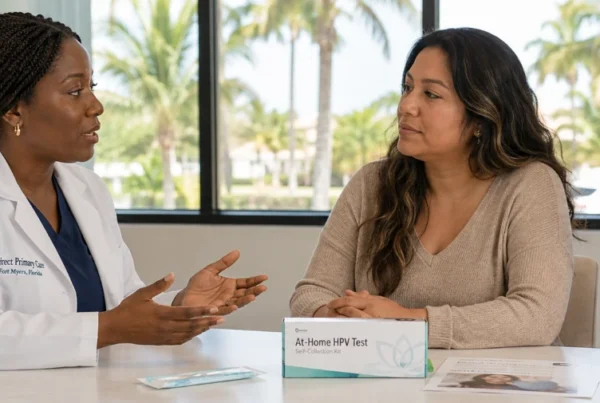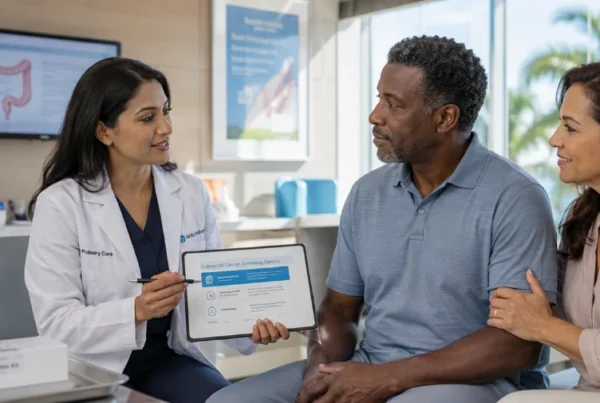
A lot of people expect relief once they leave the ER or hospital, yet the first days at home can feel more confusing than the discharge itself. A new prescription may appear on the paperwork, an old medication may disappear, and the reason for each change may still feel fuzzy. Energy can drop, appetite can change, and a family member may end up trying to piece the plan together from several sheets of paper. Research on discharge planning and post-discharge care keeps pointing to this same vulnerable stretch after people go home.
That is where a primary-care follow-up can matter in a very practical way. The ER handles the urgent problem, and the hospital focuses on stabilizing the acute issue, but the first follow-up visit can sort out what daily life is supposed to look like now. It gives one clinician a chance to review the medication list, the discharge instructions, lingering symptoms, pending tests, and the patient’s actual ability to manage at home. Current evidence suggests that early follow-up may help, although the strongest studies still call for caution about making sweeping claims.
This guide draws on peer-reviewed discharge-planning research, AHRQ guidance on transitions of care, CMS guidance on timely follow-up communication after discharge, and NCQA transitions-of-care standards. The main goal is simple: make the first week at home safer, clearer, and easier to manage.
A steadier plan after discharge starts with primary care
- Bring discharge papers and real pill bottles so medication changes can be checked against home routines.
- Use the visit to clarify warning signs, pending results, referrals, and caregiver questions.
- Ask whether follow-up can happen in person, by phone, or by video when clinically appropriate.
When the paperwork still feels incomplete
Fountain of Youth DPC offers membership-based primary care in Fort Myers for patients who need more time to review medications, discharge instructions, symptoms, and the next practical step.
Physician-reviewed content • Evidence-aware care • Personalized treatment planning
Why this window matters so much
Medication confusion is common after discharge
Medication problems deserve more attention than many patients realize. A 2024 study of older adults discharged from post-acute care found that 98% had at least one medication discrepancy at seven-day follow-up, with a median of seven discrepancies per person. That finding does not mean every patient faces the same risk, yet it does show how easily the home routine can drift away from the intended plan.
Another 2025 study found that most hospitalized older adults discharged with cardiometabolic medication changes experienced medication errors or gaps in discharge planning. The risk grows when several things change at once, such as dose adjustments, duplicate bottles at home, stopped medications that were never removed from the cabinet, or side effects that feel like part of recovery. A careful primary-care review can catch those mismatches before they turn into a second urgent visit, which is why medication reconciliation after hospitalization matters so much. That is one reason medication reconciliation appears so often in quality measures and patient-safety guidance.
Real life often makes the problem worse. A patient may come home tired, sleep poorly, and start taking the “usual” morning pills before noticing that the hospital changed one of them. A spouse or adult child may try to help but still not know which bottle matches the printed list. Trouble can start with something as simple as two nearly identical pill names, one missing refill, or a dose that changed in the hospital but not in the home organizer.
Recovery problems do not always look dramatic at first
Some of the most important post-discharge problems do not begin as emergencies. A person may feel slightly more short of breath, a little more swollen, more dizzy after taking a new pill, or unexpectedly weak when standing up from a chair. Another patient may feel “mostly better” but still not understand why a referral was ordered, whether a test result is still pending, or how long activity limits should last.
Those loose ends matter because recovery rarely happens in a straight line. Symptoms can improve while the medication plan remains unsafe. Pain can ease while dehydration, poor nutrition, low blood pressure, or confusion quietly build in the background. The first primary-care follow-up creates a checkpoint before those problems have time to grow into a second crisis.
The safest next step is usually a clearer medication conversation
Jeff St. Firmin, PA-C can help patients compare discharge instructions with current bottles, home readings, and caregiver concerns through direct primary-care access when a routine follow-up question needs more time than a rushed handoff allows.
What the first follow-up can actually do
It can turn scattered information into one clear plan
The most useful follow-up visits do not just ask, “How are you feeling?” They rebuild the story of what happened, check whether the diagnosis is settled or still evolving, and identify what matters over the next seven days. That can include medication changes, symptoms that should improve, warning signs that should not be ignored, referrals that still need scheduling, and tests that were ordered but not yet explained.
This kind of visit also helps patients separate normal recovery from signs that need attention. A person who stayed in the hospital may feel weaker than expected at home, while someone discharged from the ER the same day may still feel unsure about what the event meant. A primary-care clinician can place those symptoms in context and decide whether recovery is moving in the right direction or whether the picture needs another look. Evidence on early physician follow-up suggests possible benefits for readmissions and mortality, but the authors of that review also warn that much of the evidence comes from observational studies with risk of bias.
Patients usually benefit most when the visit ends with a short, doable plan. That plan may cover which medications to keep, which symptoms deserve a call, when another appointment should happen, and who in the household understands the instructions. Clarity matters because a structured discharge plan tailored to the individual patient probably brings a small reduction in readmissions and may slightly increase patient satisfaction, rather than leaving people with paperwork alone.
It can answer the questions that discharge paperwork often leaves open
Discharge papers usually summarize what happened, but they do not always resolve what daily life should look like at home. Patients may still wonder whether a symptom is expected, whether a home reading looks safe, whether a specialist visit is still necessary, or whether they can drive, work, shower alone, or restart normal routines. Those are the questions that affect recovery in real time.
The follow-up visit is often the first chance to test the written instructions against what is actually happening. A medication that looked reasonable on paper may be causing dizziness. A fluid limit may make sense medically but be hard to follow without specific guidance. A referral may sound routine until the patient explains how far away the office is or how difficult transportation has become. Good follow-up turns generic instructions into a plan that matches the patient’s real situation.
Common Loose Ends to Bring Up at the First Follow-Up
The first follow-up visit often works best when it covers the details that fall outside the discharge summary. This quick-reference table highlights common loose ends that can affect recovery at home and deserve a clear answer during the appointment.
| Loose End After Discharge | Why It Matters | What to Bring or Ask About |
|---|---|---|
| Pending lab or imaging results | Some results may return after discharge, and they can change the next step in care. | Ask whether any results were still pending when you left and who will review them with you. |
| Specialist referrals that were mentioned but not scheduled | A needed referral can easily get delayed once the patient is back home and juggling recovery. | Bring the discharge paperwork and ask which referrals are still necessary, how urgent they are, and who should arrange them. |
| Home blood pressure, blood sugar, weight, or symptom notes | Simple home tracking can show whether recovery is moving in the right direction or drifting off course. | Bring a short log with dates, readings, and any symptoms that seemed to go with the changes. |
| Questions about food, fluids, and daily restrictions | Patients often leave with general instructions but no practical sense of what that means at home. | Ask what the patient should eat, drink, avoid, or limit during the next several days. |
| Changes in strength, balance, or walking | Weakness and near-falls can change the safety of daily life even when the main illness seems better. | Describe any new trouble with stairs, showering, standing up, or walking across the room. |
| Equipment or supplies that are missing or confusing | Recovery can get harder when a patient lacks the tools needed to follow the plan at home. | Ask about items such as a walker, monitoring device, wound supplies, or anything the paperwork mentions but the home does not have. |
| Work, driving, lifting, or activity questions | People often feel unsure about when normal routines can safely restart. | Ask what activities are reasonable now, what should wait, and what warning signs mean the plan needs to change. |
| Caregiver concerns that never made it into the discharge papers | A spouse, adult child, or friend may notice confusion, skipped doses, poor sleep, or low intake before the patient mentions it. | Bring one trusted person or ask them to share the top changes they have seen since discharge. |
Why another person in the room can help
Caregivers often catch what paperwork misses
Many patients are not alone after discharge, even if they do not think of their helper as a “caregiver.” It may be a spouse watching for side effects, an adult child filling a pill box, or a friend driving to appointments and trying to remember what the hospital team said. That extra person can notice confusion, fatigue, falls, poor appetite, or medication mix-ups that the patient may minimize.
A 2025 scoping review of 51 randomized trials found that caregiver-inclusive transitional-care interventions improved patient quality of life and functional ability while reducing caregiver burden and depression. The interventions in that review varied, but common elements included needs assessment, information-sharing, psychological support, self-management training, and monitoring or follow-up. When someone at home is helping with recovery, that person usually belongs in the follow-up conversation whenever possible.
That does not require a dramatic care arrangement. A trusted person can bring the pill bottles, describe what has changed since discharge, and help write down the plan for the week ahead. Patients often remember only part of a rushed medical conversation, especially after pain, poor sleep, or a frightening hospital stay. Another set of ears can make the next steps far easier to follow.
Caregiver input can change the quality of the visit
The patient may say things are “about the same,” while the person at home has noticed skipped meals, missed pills, poor sleep, new confusion, or trouble getting to the bathroom safely. Those details can change the next clinical step. They may prompt a medication adjustment, a home-safety conversation, a referral, or closer monitoring over the next few days.
That is why it helps to treat the first follow-up as a household visit, even when only one person is the formal patient. Recovery often depends on who is available to help, what that helper understands, and whether the plan is realistic for the home environment. When the patient and the helper leave with the same instructions, the odds of a safer week at home usually improve.

What the first follow-up can actually do
3 Practical Tips
Bring the real medication setup, not just the paperwork
The most useful follow-up visit starts before the appointment. Patients do best when they bring every current medication bottle, over-the-counter product they use regularly, and the discharge papers from the ER or hospital. That side-by-side review makes it much easier to spot duplicates, missing refills, stopped drugs that are still being taken, or instructions that no longer match real life at home.
Write down what changed after coming home
A short note can be more valuable than a perfect memory. Patients can jot down three changes since discharge, such as new swelling, trouble sleeping, dizziness after starting a medication, poor appetite, or a lingering question about the diagnosis. That list keeps the visit focused on what is happening now, which is often the clearest path to deciding whether recovery is on track.
Bring one trusted person or put them on the phone
Support at home often shapes whether the plan actually works. A helper can describe what the patient is eating, whether prescriptions were picked up, and whether the instructions feel realistic in daily life. At Fountain of Youth in Fort Myers, Florida, follow-up visits can focus on medication review, warning signs, and a home plan that fits the patient’s actual recovery needs.
Questions? We are here to help! Call 239-355-3294.
When the follow-up should happen
Earlier contact often makes sense
Timing depends on the situation, but current national guidance supports prompt follow-up after discharge when clinically indicated. CMS now includes timely follow-up communication with the patient or caregiver within 7 days of discharge from an emergency department visit, hospital stay, skilled nursing facility, or other health care facility in its Advanced Primary Care Management framework. That does not mean every person needs the exact same timetable, yet it does show how strongly the first week matters in modern primary care.
Quality programs reflect that same concern. NCQA’s Transitions of Care framework includes patient engagement after inpatient discharge and documentation of medication reconciliation within 30 days after discharge. Those measures focus attention on a basic truth: patients remain at risk after they leave the building, and follow-up should do more than confirm that the visit happened.
A fast check-in can help even when the patient feels “mostly better.” Symptoms sometimes ease before the medication plan is truly safe, and discharge instructions can sound clear until they collide with work, fatigue, caregiving demands, or transportation problems. Early contact gives patients a chance to ask the questions that usually show up only after the first night or two at home.
The right timing depends on complexity, not just the calendar
A patient discharged after a brief ER visit for a problem that resolved may need a simpler check-in than someone who went home after several days in the hospital with major medication changes. People with heart failure, diabetes, lung disease, kidney disease, infection, falls, or new mobility problems often have more moving parts to review. The best follow-up timing reflects that complexity.
Even so, waiting too long creates its own risk. The longer confusion sits at home, the more likely it is to turn into skipped doses, repeat symptoms, dehydration, or a missed warning sign. That is why the first week deserves attention, even when the patient appears stable on the day of discharge.
What people should watch for before that appointment
Some problems should not wait for the scheduled follow-up. Trouble breathing, chest symptoms, sudden confusion, severe weakness, repeated vomiting, dehydration, new fever, or signs of a medication reaction need prompt attention. Falls or a sudden inability to manage basic daily needs also change the picture quickly and may require urgent evaluation rather than a routine office visit.
A less dramatic problem can still matter. Many people call the office because the swelling seems worse, the blood pressure looks different, sleep has fallen apart, or the medication list still does not make sense after two careful reads. Those concerns fit the real purpose of follow-up, which is not only preventing readmission but also replacing guessing with a plan that the patient and household can actually carry out.
Patients and families often do better when they watch for patterns rather than isolated moments. A single weak spell may not mean much, but repeated dizziness after a new medication matters. One poor meal may not be serious, but two days of low intake can change recovery quickly. The first follow-up works best when those changes are noticed early and brought into the conversation.
Why this visit often changes what happens next
The first primary-care follow-up is not just a formality after the “real” care is over. It is often the visit that connects emergency treatment, hospital decisions, home reality, and the next stage of recovery. That is where medication discrepancies can be found, pending results can be tracked, caregiver concerns can be heard, and warning signs can be separated from expected healing.
For some patients, that visit confirms that recovery is moving in the right direction. For others, it reveals that the plan needs to change before a small problem becomes a larger one. Either way, the value of follow-up comes from making the next few days safer, clearer, and more manageable for the patient and the people helping at home.
A DPC follow-up may fit when recovery still feels unsettled
The right primary-care relationship can make post-discharge questions easier to organize, especially when several details changed at once.
- A recent ER or hospital visit left medication instructions unclear.
- Several prescriptions changed, and the home routine no longer matches the paperwork.
- A caregiver sees new weakness, confusion, appetite changes, or missed doses.
A direct primary-care visit can help turn those loose ends into a clearer care plan.
FAQ
How soon should someone follow up after leaving the ER or hospital?
The exact timing depends on the medical issue, yet current CMS guidance supports timely follow-up communication within seven days of discharge when clinically indicated. A faster check-in often makes sense when medications changed, symptoms remain active, or the home plan feels unclear. The safest approach is to treat the first week as important rather than optional.
What should a patient bring to the appointment?
The most helpful items are the discharge papers and all current medication bottles, including nonprescription products taken regularly. A short written list of new symptoms, skipped doses, side effects, and unanswered questions can also make the visit far more useful. That kind of review matches the strong emphasis that quality frameworks and patient-safety guidance place on medication reconciliation after discharge.
What if the patient feels better and wants to skip the visit?
Feeling better is good news, but it does not always mean the plan is fully sorted out. Discharge-planning research shows that follow-up and medication-related work matter, and a structured discharge plan tailored to the individual patient probably helps more than paperwork alone. A short follow-up may still catch an error before it becomes the next crisis.
Can a phone or virtual visit ever be enough?
Sometimes it can, especially for reviewing instructions, checking symptoms, and confirming the next steps. NCQA includes several forms of patient engagement after discharge, including office visits, home visits, and telehealth, which reflects how different patients need different formats. The key question is not whether the visit is virtual or in person, but whether it actually clears up the medication plan, warning signs, and follow-up tasks.
What if the patient does not have a regular primary-care clinician yet?
That situation is more common than many families expect. The safest move is to seek follow-up with a primary-care office as soon as possible, explain that the patient was recently discharged, and ask what records or paperwork should be brought in. The goal is still the same: one clinician needs to review the hospital or ER plan, reconcile medications, and decide what happens next.
Why do patients feel so uncertain even when the discharge papers look detailed?
Discharge instructions often summarize medical decisions well, but they do not always translate neatly into daily life at home. Patients still have to figure out what to take, what to stop, what symptoms matter, what activities are safe, and who is responsible for the next step. The first primary-care follow-up helps close that gap between written instructions and real recovery.
A clearer follow-up path after the hospital
Patients who leave with new prescriptions, unresolved questions, or a caregiver trying to coordinate the plan may benefit from a primary-care model built around continuity and access.
Medical review: Reviewed by Dr. Keith Lafferty MD, Fort Myers on April 11, 2026. Fact-checked against government and academic sources; see in-text citations. This page follows our Medical Review & Sourcing Policy and undergoes updates at least every six months.