Here’s what you’ll learn when you read this article:
-
Why home blood-pressure readings only become reliable when technique, timing, and trend patterns are consistent and standardized
-
How remote patient monitoring improves blood-pressure control when clinicians actively review data and guide medication decisions
-
When home monitoring helps clarify confusing clinic readings—and when overchecking can actually make blood pressure appear worse
Home blood-pressure readings have moved from a side note in medical visits to a central part of care decisions. Many patients now arrive with weeks of numbers from home cuffs, smartwatch alerts, or app dashboards, expecting clear answers. The challenge is not whether home data matters, but whether the data reflects real blood-pressure control. Recent outcomes research suggests that structured home monitoring paired with active clinical review can improve control rates over time, not just create more measurements.
At the same time, poorly collected readings can confuse patients and clinicians alike. A single high number can trigger anxiety, unnecessary medication changes, or false reassurance when readings fluctuate. Understanding what makes home blood-pressure data reliable has become essential for patients who want their numbers to guide care rather than distract from it.
Why Home Blood-Pressure Readings Suddenly Matter More
Blood-pressure care used to depend heavily on brief clinic measurements taken a few times each year. That approach misses day-to-day variability and often fails to capture how blood pressure behaves in normal life. Home blood-pressure monitoring fills that gap by showing patterns over time rather than isolated snapshots. Large real-world studies now link structured home monitoring, especially when paired with remote patient monitoring programs, to better blood-pressure control when clinicians actively review data and follow up.
One pragmatic matched-cohort study in primary care followed patients for 18 months and reported higher blood-pressure control rates among patients prescribed remote monitoring compared with controls, alongside lower average systolic pressure when office and home measurements were considered. For patients, the practical takeaway is simple: results tend to show up when monitoring stays consistent for months and a clinical team uses the data to guide next steps, not when numbers accumulate without interpretation.
When Home Numbers Don’t Match the Clinic
Many patients encounter a confusing situation where home readings appear high while clinic readings look normal, or the reverse occurs. White-coat hypertension explains some of this mismatch, as anxiety during medical visits temporarily raises blood pressure. Masked hypertension creates the opposite pattern, with normal clinic readings hiding elevated blood pressure at home.
Patterns over several days matter more than any single measurement in both scenarios. Standardized home monitoring protocols help clarify whether discrepancies reflect true blood-pressure control or situational effects. Clinicians rely on averaged readings collected under consistent conditions to decide whether treatment changes make sense and to reduce the chance that technique-driven noise drives a medication decision.
What Makes a Home Blood-Pressure Reading Clinically Useful
What Makes a Home Blood-Pressure Reading Clinically Useful
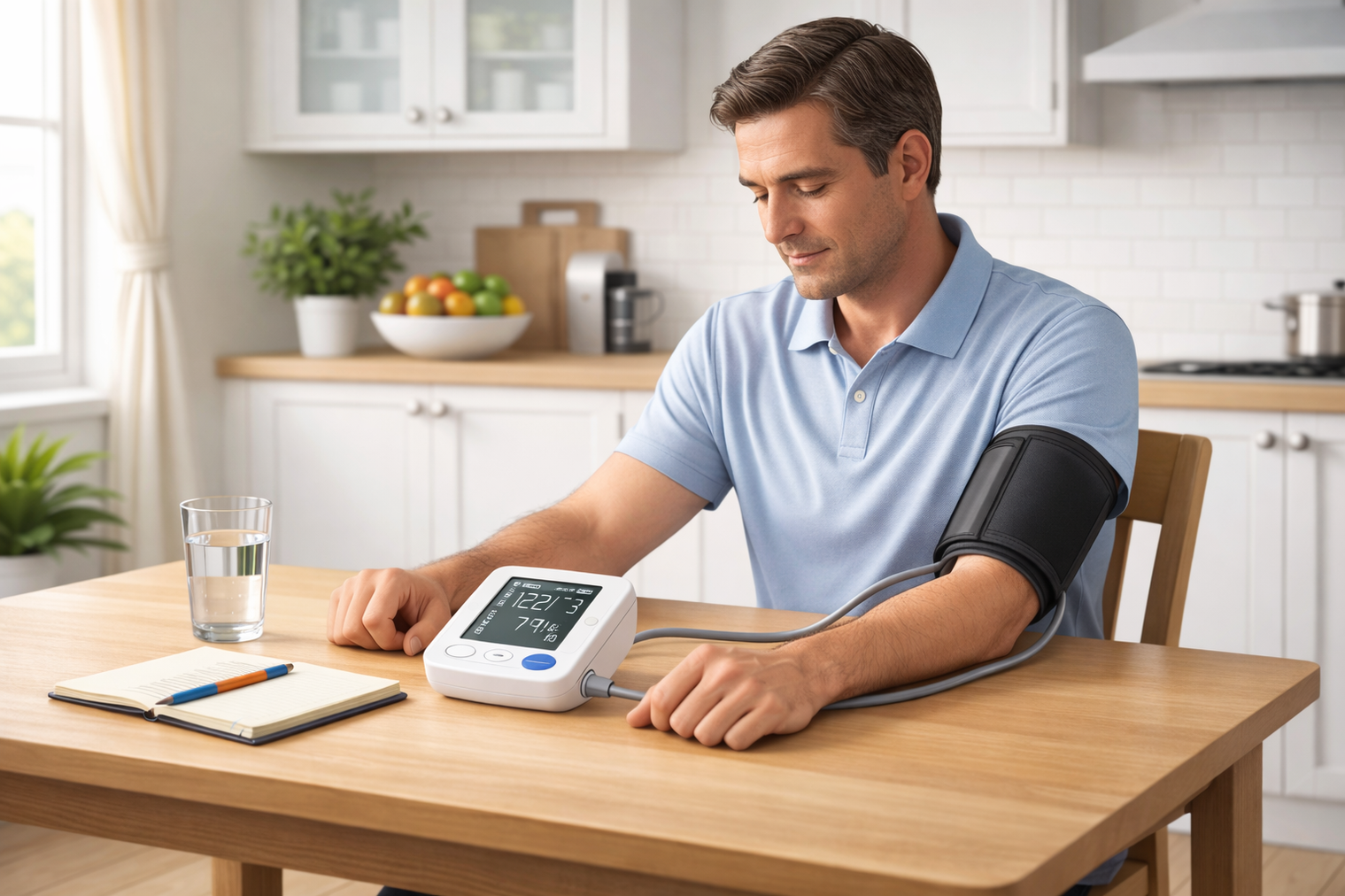
Not all home blood-pressure readings carry equal weight in clinical decisions. Clinically useful readings come from validated upper-arm cuffs that meet established accuracy standards, rather than unvalidated devices or improvised setups. Clinical guidance commonly recommends selecting devices that have been independently validated for accuracy, and a patient-facing way to start is reviewing listings such as ValidateBP.org and its validated device list.
Consistency turns individual numbers into actionable information. Measurements taken at the same times each day, under similar conditions, allow clinicians to assess trends rather than noise. Many home-monitoring instructions recommend a short, repeatable routine that includes a quiet rest period, consistent posture, and more than one reading per session, with results recorded for later averaging.
The Hidden Role of Measurement Technique
Measurement technique often explains unexpected readings more than underlying health changes. Small errors compound quickly when monitoring happens daily. Talking during measurement, unsupported arms, crossed legs, or inadequate rest time before measuring can all inflate readings and widen day-to-day scatter.
Practical technique standards emphasize sitting quietly for several minutes, keeping the back supported and both feet flat, supporting the arm so the cuff is at heart level, and placing the cuff on a bare upper arm. The American Heart Association’s home-measurement guidance highlights a similar checklist, including avoiding caffeine, nicotine, and exercise close to measurement time and taking readings only after quiet rest, because those details can shift the numbers enough to change clinical interpretation (AHA home monitoring guidance).
Home blood-pressure readings often go off-track for predictable, fixable reasons. This quick reference table shows common pitfalls, what they tend to do to your numbers, and the simplest correction.
| Measurement pitfall | What it can do to readings | Fast fix | What to document for your clinician |
|---|---|---|---|
| Cuff size mismatch (too small or too large) | Skews readings; often trends higher when the cuff runs small | Confirm your arm circumference and use the correct cuff size | Cuff size used and your measured arm circumference |
| Cuff over clothing or rolled sleeve compressing the arm | Creates inconsistent numbers and can read artificially high | Place cuff on a bare upper arm; remove bulky layers | Whether the arm was bare and whether clothing felt tight |
| Arm not supported at heart level | Raises variability; can push readings higher when the arm hangs down | Rest forearm on a table or armrest so the cuff sits at heart height | Chair/table setup and which arm you used |
| Talking, texting, or watching stressful content during measurement | Inflates readings and increases scatter from one check to the next | Sit quietly; avoid conversation and screens until the cuff finishes | Anything that distracted you (conversation, email, news, calls) |
| No rest period before measuring | Captures “transition” blood pressure after movement or stress | Sit still for several minutes before starting the cuff | How long you rested and what you were doing just before |
| Back unsupported or feet not flat on the floor | Adds noise and can push numbers upward in some people | Sit upright with back supported; keep both feet flat | Chair type and whether you could keep feet flat |
| Measuring right after caffeine, nicotine, or exercise | Captures temporary spikes that do not reflect baseline control | Separate measurements from these triggers by a consistent buffer | Time since coffee, smoking/vaping, workout, or brisk walking |
| Rechecking repeatedly after a high number | Creates anxiety-driven elevations and confusing “clusters” of readings | Stick to a planned schedule; record the first reading and follow your plan | How many rechecks you did and the time gap between them |
| Mixing devices or switching arms without noting it | Makes trends hard to interpret; shifts may reflect the device or arm | Use one validated device and one arm consistently unless instructed otherwise | Device model, arm used, and any changes to either |
| Not recording timing relative to medications or symptoms | Limits usefulness; clinicians cannot connect patterns to dosing or events | Log the time, dose timing, and any relevant symptoms each time | Medication timing, symptoms (if any), and time of day for the reading |
Understanding Trends Instead of Chasing Numbers
Blood pressure fluctuates naturally throughout the day in response to activity, stress, and sleep. A single elevated reading rarely indicates treatment failure by itself. Clinicians look for sustained patterns, such as consistently higher morning readings, upward drift in multi-day averages, or repeated elevations that persist even when technique stays stable.
Trend interpretation reduces overreaction to normal variability. Averaging readings across days smooths random spikes and dips, which is one reason many home-monitoring instructions recommend repeated measurements taken under consistent conditions. If a reading is extremely high and symptoms such as chest pain, shortness of breath, weakness, or vision changes occur, urgent evaluation matters more than repeated home rechecks, and patients should follow clinician or emergency guidance.
Where Remote Patient Monitoring Fits In
Remote patient monitoring, often called RPM, builds on home blood-pressure monitoring by adding structured clinical oversight. Patients transmit readings electronically, allowing clinicians or care teams to review data regularly. Research reports better outcomes when programs include active review and follow-up rather than passive data collection, because the clinical action plan determines whether measurements translate into improved control.
In observational research, RPM participation has been associated with improved blood-pressure control over time, which supports the idea that structured programs can sustain engagement and follow-through when patients and clinicians share a clear monitoring plan. Programs that lack clinical review show weaker results, highlighting the importance of human oversight and clear response pathways when trends drift.
RPM With Clinical Oversight vs. DIY Tracking
Tracking blood pressure independently offers awareness but limited guidance when numbers change. RPM programs differ by pairing data with clinical interpretation, education, and medication adjustment protocols. Evidence suggests that these elements drive improvements rather than monitoring alone, especially when the program includes defined thresholds for outreach and timely follow-up.
Medication changes guided by RPM rely on trends rather than isolated alerts. Clinicians adjust doses or timing based on sustained patterns, which can reduce trial-and-error. Patients often value quicker feedback compared with waiting for the next office visit, particularly during the first months after diagnosis or after a medication change.
Medication Decisions in the Age of Home Monitoring
Home monitoring reshapes how clinicians adjust blood-pressure medications. Rather than relying on occasional clinic readings, providers assess weeks of data before making changes. This approach supports more precise adjustments and reduces unnecessary escalation driven by a single outlier reading.
Tight follow-up enabled by RPM supports sustained blood-pressure control when clinicians can respond to trend shifts sooner. Patients receive guidance earlier when averages drift upward, while stable patterns reinforce existing regimens. Medication decisions become more collaborative because both sides can refer to the same measurement history and the same monitoring conditions.
Smartwatches, Wrist Cuffs, and App Alerts: What to Trust
Wearable devices and app-based alerts increase awareness but require careful interpretation. Wrist-based measurements often lack the consistency and positioning control needed for treatment decisions, and clinical guidance generally prioritizes validated upper-arm cuffs for self-measured blood pressure. Patients who want device confidence can start by using validated device resources and then asking a clinic to compare home-device readings with an in-office measurement setup.
Consumer alerts can still serve a purpose by prompting proper measurements or encouraging discussion with clinicians. Patients benefit when they treat alerts as a cue to check technique, rest, timing, and cuff placement rather than treating a single alert as a diagnosis. Clinicians generally ask for confirmatory readings from validated upper-arm cuffs before changing medications.
Who Benefits Most From Structured Home Monitoring
Structured home monitoring helps several groups in particular. Newly diagnosed patients gain clarity about baseline blood pressure outside the clinic. Patients with fluctuating readings or recent medication changes benefit from close observation during adjustment periods, because trend-based review can reduce guesswork.
Individuals who feel well despite elevated readings sometimes discover masked hypertension through home monitoring. Structured protocols help identify these hidden risks when clinic readings look reassuring. Programs that combine monitoring with education and follow-up tend to show the strongest benefits because patients understand what to do with the readings, not just how to collect them.
3 Practical Tips Patients Can Use Immediately
- Accurate home monitoring starts with choosing a validated upper-arm cuff and using it consistently, not rotating between devices.
- A simple, repeatable routine improves reliability: rest quietly, sit with back supported and feet flat, support the arm at heart level, and avoid conversation or screens while measuring, consistent with patient guidance from the American Heart Association (AHA guidance).
- Recording readings across several consecutive days before sharing them helps clinicians see patterns instead of reacting to single numbers.
When Home Monitoring Becomes Counterproductive
Overchecking blood pressure can backfire. Frequent rechecks in response to a single high reading often raise anxiety and elevate subsequent measurements, which can create clusters of numbers that look worse than baseline control. Stress-related spikes contribute to apparent variability and can make a stable regimen appear ineffective.
Setting a clear measurement schedule reduces this problem. Clinicians often recommend limiting checks to specific times and avoiding repeated measurements unless symptoms appear or a clinician advises a recheck plan. Patients regain confidence when monitoring supports care rather than dominating daily life.
How Patients and Clinicians Use the Data Together
Effective use of home blood-pressure data depends on shared understanding. Clinicians explain how they interpret trends and what thresholds trigger action, while patients provide context about sleep, stress, symptoms, and medication timing. This collaboration builds trust in the numbers and reduces the risk that technique artifacts drive a treatment change.
Many clinics now encourage patients to bring devices to appointments for accuracy checks. Education around interpretation helps patients avoid unnecessary worry and improves measurement consistency over time. Staff at Fountain of Youth in Fort Myers, Florida stay current on evolving evidence around home blood-pressure monitoring and remote care to support informed conversations.
Questions? We are here to help! Call 239-355-3294.
Frequently Asked Questions
How often should I check my blood pressure at home?
Many home-monitoring instructions support checking at consistent times for several consecutive days when assessing control, rather than sporadic single readings. Clinicians often suggest morning and evening sessions, taken under similar conditions, to build a usable average. Once patterns stabilize, monitoring frequency usually decreases unless medications change or symptoms appear.
Why does my blood pressure change so much from one reading to the next?
Normal physiology causes blood pressure to fluctuate with activity, stress, sleep, and time of day. Technique differences amplify this variability when posture, cuff placement, rest time, or recent caffeine and exercise vary. Averaging readings over days helps separate normal swings from meaningful change.
Are higher home readings more reliable than lower clinic readings?
Home readings often reflect usual blood pressure more accurately than brief clinic checks when patients use validated devices and consistent technique. Reliability depends on using a validated upper-arm cuff and following a stable routine before each reading. Clinicians compare trends from both settings, then interpret the full pattern rather than trusting one setting automatically.
Do I need remote monitoring if I already check my blood pressure myself?
Self-checking provides awareness, but remote monitoring adds structured clinical review. Evidence shows that outcomes improve when clinicians actively interpret data and adjust care, rather than letting readings accumulate without follow-up. Patients with unstable readings, recent medication changes, or unclear home-versus-clinic discrepancies often benefit most.
Medical review: Reviewed by Dr. Keith Lafferty MD, Fort Myers on March 31, 2026. Fact-checked against government and academic sources; see in-text citations. This page follows our Medical Review & Sourcing Policy and undergoes updates at least every six months.