Takeaways
- Red Tide exposure, primarily through inhalation or contaminated shellfish, presents risks ranging from respiratory irritation to Neurotoxic Shellfish Poisoning, making awareness of severe symptoms and prompt medical consultation essential.
- The Direct Primary Care (DPC) model offers a crucial advantage during health events like Red Tide by providing immediate, personalized access to a provider for symptom evaluation and proactive health planning, circumventing typical long wait times.
- Supportive care, particularly IV hydration, is an evidence-based treatment for fluid loss; however, the choice between Lactated Ringer’s and Normal Saline must be made carefully by a medical expert based on the patient’s individual health and metabolic needs.
Understanding Harmful Algal Blooms and Local Impact
Red tide in Southwest Florida is not a single, uniform “season,” because conditions can change by beach, hour, and wind direction. A practical way to protect health is to pair basic awareness with live local tracking, then decide outings based on what the water and air are doing that day. The Florida Fish and Wildlife Conservation Commission posts statewide sampling updates through its Red Tide Current Status page, and the sampling map adds location-level context through FWC’s current status mapping. NOAA’s Gulf Coast HAB forecasts also help explain why impacts vary sharply between nearby beaches. For people with asthma, COPD, or frequent bronchitis, those sources support an exposure plan that treats “moderate or high” reports as a reason to reduce beach time, shift inland, or reschedule.
The Science Behind Karenia brevis
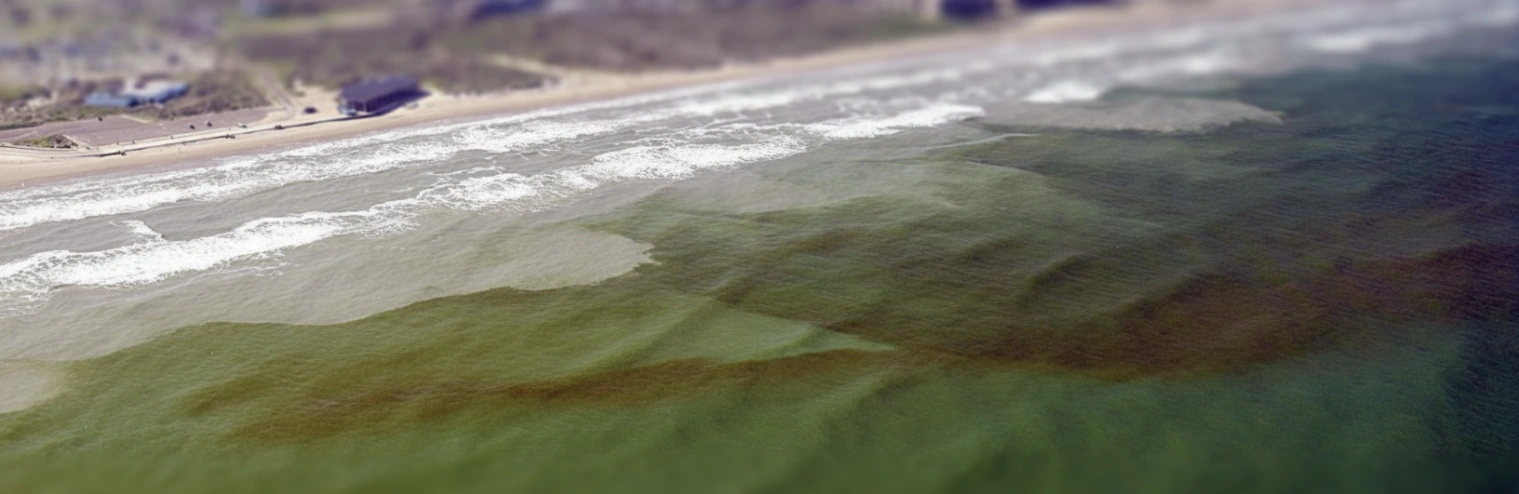
Red Tide is not truly a red phenomenon; it describes the rapid, dense growth of certain algae that can discolor the water. The primary culprit in the Gulf of Mexico is a microscopic dinoflagellate named Karenia brevis. These organisms release potent neurotoxins called brevetoxins into the surrounding water and air. The toxins accumulate in filter-feeding shellfish, posing a threat to both marine life and human consumers. Recognizing this specific organism and its toxin production is key to assessing the corresponding health risks, because specific toxins dictate the type of illness.
Environmental Factors Driving Local Blooms
A bloom becomes a SWFL health issue when water conditions support growth and onshore winds move toxins into breathing space near the surf. Florida red tide often appears patchy, so two beaches can feel completely different on the same day, and the same beach can worsen when winds shift. NOAA notes that Karenia brevis impacts vary by beach and time of day, which explains why “clear water” can still coincide with irritating air at the shoreline through its Gulf Coast HAB forecasting guidance. FWC also maintains broader background and reporting pathways on Florida red tide research and updates, which helps residents separate rumor from measured sampling. For health decisions, the key practical takeaway is simple: beach plans should follow measured conditions and wind direction, not calendar dates.
When to Seek Immediate Medical Care
Most people notice short-lived irritation, but certain symptoms should shift the plan from “wait and see” to immediate evaluation. Emergency care makes sense when breathing becomes difficult, wheezing escalates despite a rescue inhaler, lips or face swell, or dizziness and weakness become pronounced. The Florida Department of Health lists neurological and respiratory progression as a concern in neurotoxic shellfish poisoning guidance, especially when symptoms intensify after suspected exposure, on its Harmful Algal Blooms (HABs) page. For inhalation exposure, CDC outlines common saltwater HAB symptom patterns that help distinguish mild irritation from more concerning escalation at CDC red tide symptom guidance. When uncertainty exists, a same-day clinical conversation can triage next steps and reduce delays.
Common Health Effects of Brevetoxin Exposure
Exposure to brevetoxins impacts the human body through inhalation, direct contact with the water, and ingestion of contaminated food. Understanding the varied effects is crucial for taking appropriate precautions and seeking the right kind of care. The toxins disrupt normal cellular function, leading to a spectrum of symptoms that range from temporary irritation to serious systemic illness.
Respiratory System Challenges
Breathing in the aerosolized toxins represents the most common exposure route for people near the beach during a bloom. Airborne brevetoxins cause acute irritation of the nose, eyes, and throat, leading to sneezing and coughing. Individuals with pre-existing respiratory conditions, such as asthma or Chronic Obstructive Pulmonary Disease (COPD), often find their symptoms significantly worsened. These individuals may experience wheezing and shortness of breath, requiring the use of their prescribed rescue inhalers. Long-term exposure, even at low levels, may cause symptoms that linger for hours or days after leaving the affected area.
Gastrointestinal and Neurological Symptoms
Neurotoxic Shellfish Poisoning (NSP) is a foodborne illness linked to brevetoxins that can follow eating contaminated shellfish from affected areas. Florida’s Department of Health highlights nausea and vomiting plus tingling around the mouth and neurologic changes like dizziness or slurred speech as key symptom clues on its HAB safety guidance page. FWC also summarizes Florida poisoning syndromes and distinguishes NSP from other seafood toxin illnesses at FWC poisoning syndromes. Because treatment focuses on supportive care and monitoring, prevention matters most: do not harvest shellfish from areas under advisories, and treat “mystery GI symptoms” after local shellfish consumption as a reason to seek clinical advice quickly.
Skin and Eye Irritation
Direct exposure to water containing a high concentration of the harmful algae can also cause physical discomfort. People swimming or wading in the bloom-affected water might experience irritation of the skin and mucous membranes. Symptoms typically manifest as redness, itching, and a mild conjunctival irritation of the eyes. This irritation is usually brief, quickly resolving once the person leaves the water and cleanses their skin. Contact dermatitis or a skin rash is possible, but these issues are typically minor.
The DPC Advantage: Personalized Supportive Care
During red tide weeks, the most common needs are fast triage for breathing symptoms, clear guidance about avoidance, and quick support when a baseline condition flares. A DPC relationship helps by making it easier to review asthma or COPD action plans, confirm safe symptom control steps, and decide when a same-day visit or escalation is appropriate. It also supports practical prevention, including reviewing rescue inhaler technique, confirming medication supply before a forecasted onshore-wind stretch, and aligning travel plans with monitored conditions from FWC’s status updates and NOAA’s Gulf forecasts. The goal is not to “tough it out,” but to prevent mild irritation from becoming an avoidable respiratory spiral.
Same- or Next-Day Accessibility for Symptom Evaluation
The traditional primary care model struggles with high patient volumes, which often means long waits for appointments, even when symptoms are pressing. DPC operates with a significantly reduced patient panel, guaranteeing the provider more time and availability for each member. This enhanced accessibility allows members to receive symptom evaluation the same day or the next day via in-person or telehealth consultation. When you need supportive care for respiratory or gastrointestinal discomfort due to environmental exposure, you can reach Jeff St. Firmin, PA-C, or his team directly, getting immediate guidance. Streamlined, unhurried care means your provider can focus completely on your unique health concerns.
Proactive Planning for Vulnerable Patients
The DPC model emphasizes preventive care and wellness counseling as a core component of the membership. This emphasis means we can proactively address the potential impact of seasonal events on vulnerable populations before a bloom even starts. Members with known respiratory illnesses or chronic conditions benefit from personalized action plans, ensuring access to necessary medications or inhalers. Proactive, personalized care helps mitigate risk during periods of high toxin exposure, turning potential crises into manageable events. The Fountain of Youth DPC staff are on top of local red tide developments, ensuring our members receive timely communications and updated guidance throughout the season.
Beyond Symptoms: Focusing on Long-Term Wellness
Long-term resilience during red tide is mostly about reducing preventable vulnerability before irritation starts. That means tightening control of baseline lung disease, reviewing which symptoms demand escalation, and building a simple “if/then” plan for days with onshore winds. CDC describes how saltwater HAB exposure commonly affects eyes and airways, which supports proactive planning for sensitive patients in its saltwater HAB symptom guidance. Pairing that clinical pattern recognition with monitored conditions through FWC’s status mapping helps people decide when to avoid the beach, when to adjust outdoor exercise timing, and when to schedule a check-in instead of guessing. This approach adds practical control without overmedicalizing a changing environmental exposure.
Hydration Therapy: An Evidence-Based Supportive Treatment
Hydration support becomes relevant when symptoms create real fluid loss, especially with repeated vomiting or diarrhea after suspected NSP exposure. For mild dehydration, oral fluids often work, but persistent GI losses can outpace what the body can absorb, which is when clinical evaluation becomes important. Florida guidance on HAB-related shellfish risk emphasizes avoiding contaminated harvesting in the first place, because preventing NSP prevents the dehydration spiral described on the Florida DOH HAB page. When dehydration becomes moderate or severe, IV fluids can be appropriate, but only after a provider reviews risk factors like kidney disease, heart failure, and medication interactions. This framing keeps hydration therapy accurate, patient-specific, and clinically grounded rather than automatic.
When Dehydration Requires IV Intervention
Most cases of mild dehydration respond well to drinking oral fluids, but severe symptoms warrant medical assessment and intervention. If you suffer from persistent vomiting or significant, ongoing diarrhea, the body cannot absorb enough water through the digestive tract. Signs of moderate to severe dehydration include extreme fatigue, lightheadedness, decreased urination, and low blood pressure. Under these circumstances, IV fluid replacement is often the fastest way to replenish volume and restore essential electrolyte balance. A qualified provider must carefully evaluate your individual clinical status to determine if IV hydration is necessary and safe.
Understanding IV Fluid Options: LR vs. Saline
Intravenous fluids are not all identical, and a careful medical decision must determine the best solution for the patient’s specific needs. Lactated Ringer’s (LR) solution and Normal Saline (NS) are the two most commonly utilized isotonic crystalloid solutions in healthcare settings. Choosing the correct fluid is paramount, ensuring the restoration of fluid balance without inadvertently causing an electrolyte derangement.
The composition differences
Normal Saline is a straightforward mixture of water and 0.9% sodium chloride, essentially providing water and salt to the body. Lactated Ringer’s, conversely, is a more complex solution containing sodium chloride, potassium chloride, calcium chloride, and sodium lactate. LR has a composition much closer to the body’s natural blood plasma, offering a broader range of electrolytes. NS contains a higher concentration of chloride ions than LR, a difference that holds clinical significance in specific circumstances.
Indications for Lactated Ringer’s (LR)
Many clinicians often prefer Lactated Ringer’s solution for fluid resuscitation in patients experiencing significant blood loss or severe burns, and often for general dehydration. LR is particularly beneficial because it contains lactate, a component the body metabolizes into bicarbonate. This bicarbonate acts as a buffer, helping to regulate the body’s pH balance and reduce the risk of acidosis, a common issue in severe illnesses like sepsis. Recent research also suggests that LR may be associated with anti-inflammatory effects compared to Normal Saline in some patient populations.
Situations where Normal Saline (NS) is the preferred choice
Normal Saline remains the solution of choice for specific clinical scenarios and is compatible with the administration of blood products. Additionally, NS is often required when administering certain intravenous medications because LR’s calcium content can interact negatively with them. NS is also used cautiously in individuals with severely compromised kidney function, although the high chloride load can sometimes exacerbate hyperchloremia and acidosis. The ultimate decision rests upon a comprehensive review of the member’s current medical status and any concurrent treatments.
Why a physician-led DPC approach ensures the correct fluid choice is made
The decision between LR and NS is nuanced, relying on an understanding of metabolic balance, renal function, and medication interactions. In the DPC setting, your provider, Jeff St. Firmin PA-C, possesses comprehensive knowledge of your medical history and ongoing health concerns. This relationship ensures that the appropriate IV fluid is selected, avoiding solutions that could be detrimental to a patient with underlying heart, kidney, or liver disease. Personal, continuous oversight is vital for safely administering specialized supportive treatments.
Personalized Fluid Management and Monitoring
Administering intravenous fluids necessitates careful, individualized management to prevent complications like hypervolemia, which is an overload of fluid volume. Overloading the body with fluid can lead to swelling (edema) in the hands and lower legs, potentially stressing the respiratory and cardiovascular systems. Patients with chronic kidney disease or congestive heart failure require particularly close monitoring because they struggle to effectively clear fluids from their body. The DPC model facilitates this vigilance through personalized attention, carefully titrating the fluid rate and monitoring electrolyte levels to maintain the body’s optimal balance.
3 Practical Tips for Red Tide Resilience
Taking proactive steps during high-exposure events helps protect your health and minimize discomfort. These three tips offer simple, actionable advice for reducing toxin exposure and supporting your body’s defenses. Implementing these measures demonstrates a common-sense approach to personal wellness, complementing any professional medical care you may receive.
Monitor Local Reports and Limit Exposure
Stay informed by consistently checking for the most current updates from local health officials and reliable environmental sources. These reports indicate beach conditions and the current concentration of airborne toxins, guiding your outdoor decisions effectively. If toxin levels are reported as high, limiting your time near the water, or even staying indoors, significantly reduces the risk of respiratory irritation. Simple avoidance of visibly discolored water or areas with strong odors serves as the first and most effective defense.
Use Air Filtration and Protective Measures Indoors
While outdoors, the wind and wave action aerosolize the toxins, meaning the air quality near the water is the most significant concern. When you return home or if you remain indoors during a bloom, keep your windows and doors closed to minimize the influx of irritants. Running a high-efficiency particulate air (HEPA) filter inside your home can effectively scrub the air of fine particulates and help alleviate indoor respiratory symptoms. Individuals with diagnosed respiratory conditions should always carry their rescue inhaler and strictly follow the action plan provided by their healthcare provider.
Proactive Hydration and Nutritional Support
Even if you avoid the severe symptoms requiring IV therapy, maintaining optimal hydration is crucial for overall resilience and recovery. Water helps the body transport nutrients and eliminate waste, making it central to the detoxification process. Focusing on a nutrient-rich diet supports the body’s natural immune and inflammatory responses, enhancing your ability to cope with environmental stress. Prioritizing rest and avoiding excessive physical exertion during a bloom also gives your body the necessary resources to manage toxin exposure effectively. If you have questions about which preventative measures are best for your health profile, we are here to help! Give us a call at 239-355-3294.
Frequently Asked Questions (FAQ) About Red Tide and DPC
This section answers common member questions about managing health during a bloom event, using a direct and informative approach.
Is Red Tide just a nuisance, or can it be truly dangerous?
Red Tide is primarily a nuisance, causing minor respiratory and skin irritation for most people in the affected area. However, it can be truly dangerous for individuals who consume contaminated shellfish, leading to Neurotoxic Shellfish Poisoning (NSP), or for those with severe pre-existing respiratory conditions. Prompt medical evaluation is necessary if severe symptoms like intense shortness of breath or neurological changes develop.
Does Direct Primary Care cover testing for Red Tide exposure?
As a DPC practice, we provide comprehensive primary care, including careful symptom evaluation and exposure history review when red tide conditions raise concern. In real-world practice, NSP often relies on clinical presentation plus known exposure, and public health guidance focuses heavily on prevention and recognition rather than a quick confirmatory test for every case. Florida’s Department of Health outlines NSP symptom patterns and safety guidance for affected areas on its HAB information page, and CDC provides clinician-facing context on saltwater HAB illness patterns at CDC clinical signs and symptoms. Our membership covers the necessary office or telehealth visits to assess severity, guide supportive care, and direct urgent escalation when symptoms suggest higher risk.
Can I still swim if the beach looks clear?
While the water may appear clear, high concentrations of the toxins can still be present, and the harmful algal bloom can shift quickly. The wind can also carry aerosolized toxins even if the water is not visibly discolored. Health officials strongly advise avoiding swimming or harvesting shellfish in affected areas until local advisories are completely lifted.
How does a DPC membership save me money on Red Tide care?
The membership structure eliminates co-pays and insurance billing for unlimited primary care visits and telehealth consultations, covering all the necessary symptom management and follow-up care. Timely access prevents minor issues from escalating into expensive emergency room visits, ensuring cost transparency and greater savings for our members.
Taking Control of Your Wellness Journey
Choosing a Direct Primary Care relationship empowers you with knowledgeable and accessible healthcare, which is especially important when navigating local environmental concerns. Our patient-centered model ensures you never feel rushed and always receive the focused attention necessary for complex decision-making, like choosing the right IV fluid for supportive care. By removing the administrative burdens of traditional medicine, we dedicate ourselves to your long-term health and immediate well-being. You want to feel secure and empowered in managing your health, especially during challenging seasons, knowing you have a dedicated partner. Our team is always looking at the latest clinical evidence on supportive treatments to provide the highest level of care to all members. We aim to be your go-to source for reliable, evidence-based health guidance. We provide clear, honest information so you can confidently decide whether our approach fits your healthy lifestyle and acute care needs. Do you want to learn more about personalized care during environmental events? We are here to help! Give us a call at 239-355-3294.
Medical review: Reviewed by Dr. Keith Lafferty MD, Fort Myers on December 7, 2025. Fact-checked against government and academic sources; see in-text citations. This page follows our Medical Review & Sourcing Policy and undergoes updates at least every six months.