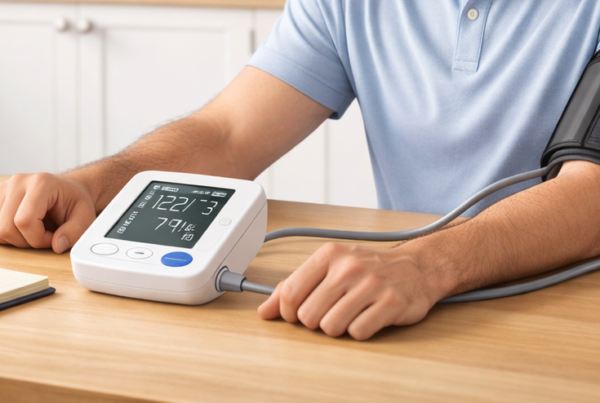
Florida continues to see a surge in chronic conditions such as hypertension, obesity, and type 2 diabetes. This trend coincides with a growing demographic of retirees and seniors seeking not just treatment but a healthier, more vibrant lifestyle. In this environment, Direct Primary Care (DPC) models have emerged as a promising alternative to traditional healthcare. By removing insurance-based limitations, DPC offers a platform for physicians to invest more time in preventive strategies and lifestyle support. These models prioritize wellness, early detection, and meaningful patient relationships, which aligns closely with what people now expect from modern primary care. Especially in Southwest Florida, where proactive health choices dominate the culture, the momentum behind DPC is undeniable.
Florida’s Health Landscape: Drivers for Preventive & Wellness Care
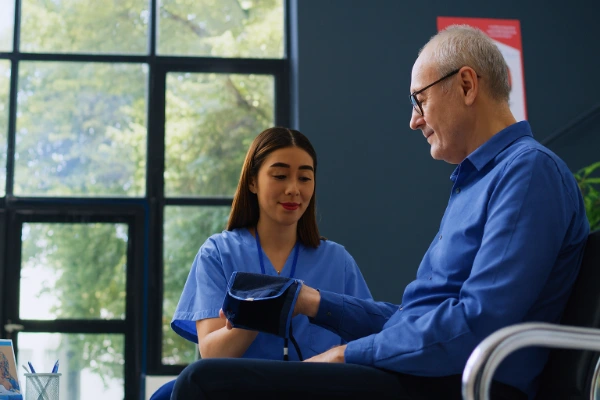
A nurse checks an older man’s blood pressure in a modern clinic.
Florida currently ranks in the top five U.S. states by percentage of residents aged 65 or older. More than sixty percent of seniors in the state live with at least two preventable chronic conditions. These include cardiovascular disease, high cholesterol, and type 2 diabetes. Rising medical costs, paired with increasing ER wait times, push many to explore healthcare options that offer consistency and personalized care. DPC has gained traction because it directly addresses these issues.
Members access longer appointments, timely lab testing, and tailored guidance—often in the same location. In regions like Fort Myers and Naples, this model has attracted adults seeking more than reactive medicine.
How the DPC Model Enables Better Preventive & Wellness Services
Direct Primary Care shifts the focus away from insurance coding and back toward patient care. Because providers no longer rely on billing through insurance, they can limit patient panels to a few hundred individuals rather than several thousand. This shift allows DPC physicians to spend 30 to 60 minutes per visit, rather than rushing through 10-minute slots. That extra time creates space for discussions around lifestyle, diet, exercise, and mental wellness.
Patients who attend regular, continuous primary care visits identify risk factors like elevated blood pressure or insulin resistance earlier than those in fragmented care models. Longitudinal studies confirm that this type of relationship-driven care yields stronger preventive outcomes. Preventive labs, EKGs, and body composition tracking often fall within membership pricing, further encouraging regular wellness monitoring.
Wellness & Aesthetic Services Offered by Fountain of Youth
At Fountain of Youth SWFL, our commitment to whole-person care shapes how we design services within the DPC offering. In addition to primary care, patients have access to a curated suite of wellness-focused treatments. These include IV hydration therapy for nutrient replenishment, medically supervised weight loss programs, and hormone optimization strategies. Our vitamin injection menu supports immunity, energy, and metabolic function with individualized dosing.
These offerings align with broader wellness goals and seamlessly complement preventive labs and regular check-ups. Patients pursuing aesthetic goals can combine facial rejuvenation or peptide therapies with primary care discussions about stress and inflammation. Our team tracks evolving evidence around functional and aesthetic medicine to ensure every service meets both safety standards and long-term health goals. Because these programs fall within the same ecosystem as DPC, patients receive holistic guidance without navigating fragmented care networks.
Member Outcomes & Financial Impacts
Numerous studies suggest that DPC members experience significantly fewer emergency room visits and avoidable hospitalizations. A cohort study found that greater continuity in primary care strongly reduced hospital use among chronic patients. This change reflects earlier detection and intervention. At the same time, members avoid the financial unpredictability of copays, deductibles, and out-of-network bills. Instead, one flat monthly fee covers most care needs. For Florida residents managing chronic conditions, this predictability supports better budgeting and lowers the emotional burden of healthcare decisions. Patients also report greater satisfaction due to longer visits, better communication, and coordinated follow-up.
Fountain of Youth members, in particular, value the ease of scheduling and the sense of being heard. Questions? We’re here to help. Call us directly at 239-355-3294 to learn how our membership model fits your wellness goals.
Challenges & Limitations in Delivering Preventive Wellness Care under DPC in Florida
Despite its advantages, DPC does not cover everything. Hospitalizations, specialist consultations, imaging, and surgeries typically require traditional insurance or cash-pay arrangements. Patients must navigate how to combine DPC with high-deductible insurance plans or health-sharing ministries. In Florida, where many seniors use Medicare Advantage plans, compatibility may also be limited. Another challenge involves consistency across providers. Not all DPC practices include wellness services such as hormone testing or nutritional counseling. Some offer only standard preventive screenings, while others integrate advanced diagnostics and functional medicine.
At Fountain of Youth, we recognize this variability and have designed our program to bridge the gap between evidence-based wellness and accessible primary care. Our team constantly reviews service performance to meet evolving expectations in Florida’s competitive healthcare landscape.
3 Practical Tips
- If you’re considering a DPC membership in Florida, ask for a full list of what your membership includes. Ensure it covers preventive labs, physical exams, and wellness consultations.
- To maximize your wellness plan, incorporate at least one routine check-in every 90 days. Use these visits to track lifestyle changes, not just address symptoms.
- Lastly, pair your DPC membership with catastrophic insurance or a supplemental plan to ensure you’re covered for unexpected emergencies. The right combination offers peace of mind and broad access to care.
Comparisons: DPC vs Traditional Primary Care in Preventive & Wellness Provision
In traditional insurance-based primary care, visit length often caps at 15 minutes. Patients wait weeks for appointments and face complex billing processes. Preventive care becomes fragmented, rushed, or deprioritized. In contrast, DPC simplifies access and encourages proactive health conversations. There’s no penalty for asking questions or following up. DPC physicians have the bandwidth to evaluate patterns in weight, blood pressure, or lab results over time. They can suggest dietary modifications or refer for wellness services within the same practice.
Traditional systems rarely offer these touchpoints unless triggered by abnormal findings. Over time, the DPC model fosters behavioral change and accountability that improve outcomes, particularly among those managing multiple risk factors.
Local Florida Data & Case Studies
Lee County ranks above the national average for obesity and type 2 diabetes in adults over 55. Yet in practices offering proactive, relationship-centered care, hospitalization rates drop. Chronic disease surveillance dashboards show elevated prevalence and clustering of preventable illness across Florida ZIP codes. In a Florida DPC pilot involving 500 patients over 18 months, the frequency of ER use fell by 38%. These results mirrored trends seen in similar programs in Tampa and Orlando.
While long-term data is still evolving, member feedback from Fountain of Youth confirms these patterns. One patient credits quarterly B12 injections and lab tracking with stabilizing fatigue and prediabetic blood sugar levels. Another avoided starting hypertension medication by addressing dietary triggers during lifestyle visits. When preventive care feels personal and convenient, patients engage more consistently. That consistency improves metrics at both the individual and population levels.
What’s Next: Emerging Trends in Preventive Wellness & DPC in Florida
A growing trend across Florida clinics is “prejuvenation”—using medical aesthetics and wellness tools not just to reverse aging but to prevent accelerated decline. IV therapy menus now include NAD+, glutathione, and amino acid blends that support cellular repair. Hormone optimization protocols are increasingly tailored using genomic testing and circadian rhythm mapping. As more patients seek integrative care that blends diagnostics, treatment, and enhancement, the DPC model evolves in response. At Fountain of Youth, we stay at the forefront of this shift, curating services that balance scientific rigor with patient enthusiasm. As research supports these emerging therapies, we incorporate them responsibly within our care pathway.
Frequently Asked Questions (FAQ)
What exactly is covered under Fountain of Youth DPC membership for preventive care?
Your membership includes wellness exams, lifestyle consultations, preventive labs, and health tracking sessions. Additional services are offered at member-discounted rates.
How often should screenings like cholesterol or diabetes testing occur?
We recommend annual screenings for most patients, with frequency adjusted based on risk factors or family history.
Will I still need insurance if I join DPC?
Yes. DPC does not replace insurance for specialists, hospital stays, or surgeries. Pairing it with a high-deductible plan works best.
Are wellness or aesthetic services like IVs and hormones preventive or cosmetic?
Some services serve both purposes. For example, vitamin drips may boost immune readiness, while hormone balancing can reduce age-related disease risks.
How do costs compare between DPC and traditional insurance-based primary care?
DPC offers pricing transparency and fewer surprise bills. For those who value consistent access and lifestyle support, long-term savings often outweigh upfront membership costs.
The Case for DPC Wellness in Florida’s Future
As Florida’s population continues to age, the demand for meaningful, preventive care grows. Direct Primary Care offers a model that supports early detection, lifestyle change, and true patient-centered medicine. At Fountain of Youth SWFL, we remain committed to pushing these boundaries while honoring the trust patients place in us. Our team blends clinical science with personalized insight to deliver care that feels both modern and grounded. If you’re ready to take control of your health, we’re ready to support that journey. Call us at 239-355-3294 to learn how we can help.
Medical review: Reviewed by Dr. Keith Lafferty MD, Fort Myers on October 11, 2025. Fact-checked against government and academic sources; see in-text citations. This page follows our Medical Review & Sourcing Policy and undergoes updates at least every six months.