Here’s what you’ll learn when you read this article:
- How hidden Pharmacy Benefit Manager (PBM) tactics like spread pricing and the rebate trap inflate your out-of-pocket costs at the pharmacy counter.
- The impact of Florida’s SB 1550 legislation in mandating pass-through pharmacy reimbursement and improving transparency in the prescription drug market.
- Why the Direct Primary Care model’s use of wholesale, cash-priced medications can reduce access barriers tied to insurance rules.
Understanding the Opaque World of Prescription Drug Pricing
The price on a pharmacy receipt often differs from a medication’s manufacturing cost. It reflects negotiations among drugmakers, insurers, pharmacies, and intermediaries known as Pharmacy Benefit Managers (PBMs). These arrangements operate through confidential contracts, so the true net price can remain hidden behind rebates and administrative fees. Because PBMs influence which drugs appear on an insurance formulary, they can shape what patients pay at the counter.
The Mechanics of the PBM Profit Cycle
PBMs originally helped process claims and negotiate prices at scale. Over time, many PBMs became vertically integrated with major insurers and pharmacy operations, which can create incentives that do not align with lower patient costs. A 2024 Federal Trade Commission (FTC) interim staff report describes a highly concentrated market and notes that the largest PBMs processed nearly 80% of prescriptions dispensed by U.S. pharmacies in 2023. This scale can amplify practices such as spread pricing, where the PBM charges a plan one amount while reimbursing the dispensing pharmacy less.
The difference between the plan-facing charge and the pharmacy reimbursement is often called the “spread.” When that spread stays with the intermediary, the savings do not flow back to the patient at the point of sale. Independent pharmacies can also face margin pressure when reimbursement falls below acquisition cost for certain products. Because many pricing terms remain confidential, patients may never learn whether a quoted copay exceeded a usual cash price.
Florida’s Legislative Shield Against Hidden Costs
Florida enacted SB 1550 (Chapter 2023-29, L.O.F.) to increase PBM transparency and regulate PBMs as administrators under state insurance law. According to the official summary of Florida Senate Bill 1550, contracts between PBMs and plans must require a pass-through model for pharmacy reimbursement rather than spread pricing. The summary also states that 100% of PBM-negotiated manufacturer rebates must be passed to the plan for defined cost-sharing offsets and premium reduction. The bill further prohibits PBM practices that restrict or penalize pharmacists from sharing relevant price information with patients, and it addresses point-of-sale cost-sharing when the cash price is lower.
Legislative activity continued with the filing of the PRICE Act, HB 697 (2026), which proposes publishing reference prices tied to international price data and limiting what pharmacies can charge cash-paying customers for certain drugs and products. The bill text also describes restrictions on certain formulary tools and limits mid-year formulary changes. Regardless of the bill’s final outcome, the direction of travel favors clearer pricing signals and fewer midstream surprises for patients managing chronic conditions.
The Direct Primary Care Advantage in Medication Access
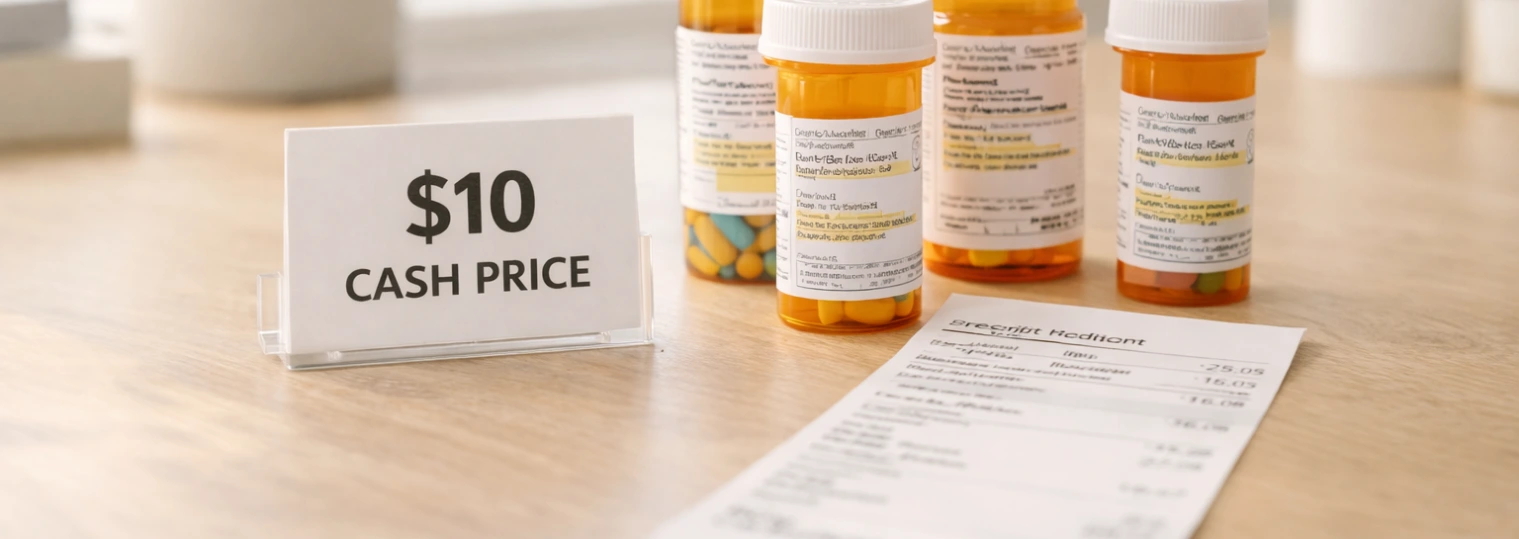
Direct Primary Care (DPC) removes routine insurance billing from the primary care relationship. In many practices, clinicians can dispense a limited set of commonly used medications purchased through wholesale channels, and members pay transparent cash prices rather than copays shaped by PBM rules. This structure can reduce “pharmacy counter shock” when a patient sees a price that does not match expectations from a plan’s marketing materials. It also allows a care team to discuss cost alongside clinical choices in the same visit, using a price that remains stable at checkout.
The Direct Primary Care Advantage in Medication Access
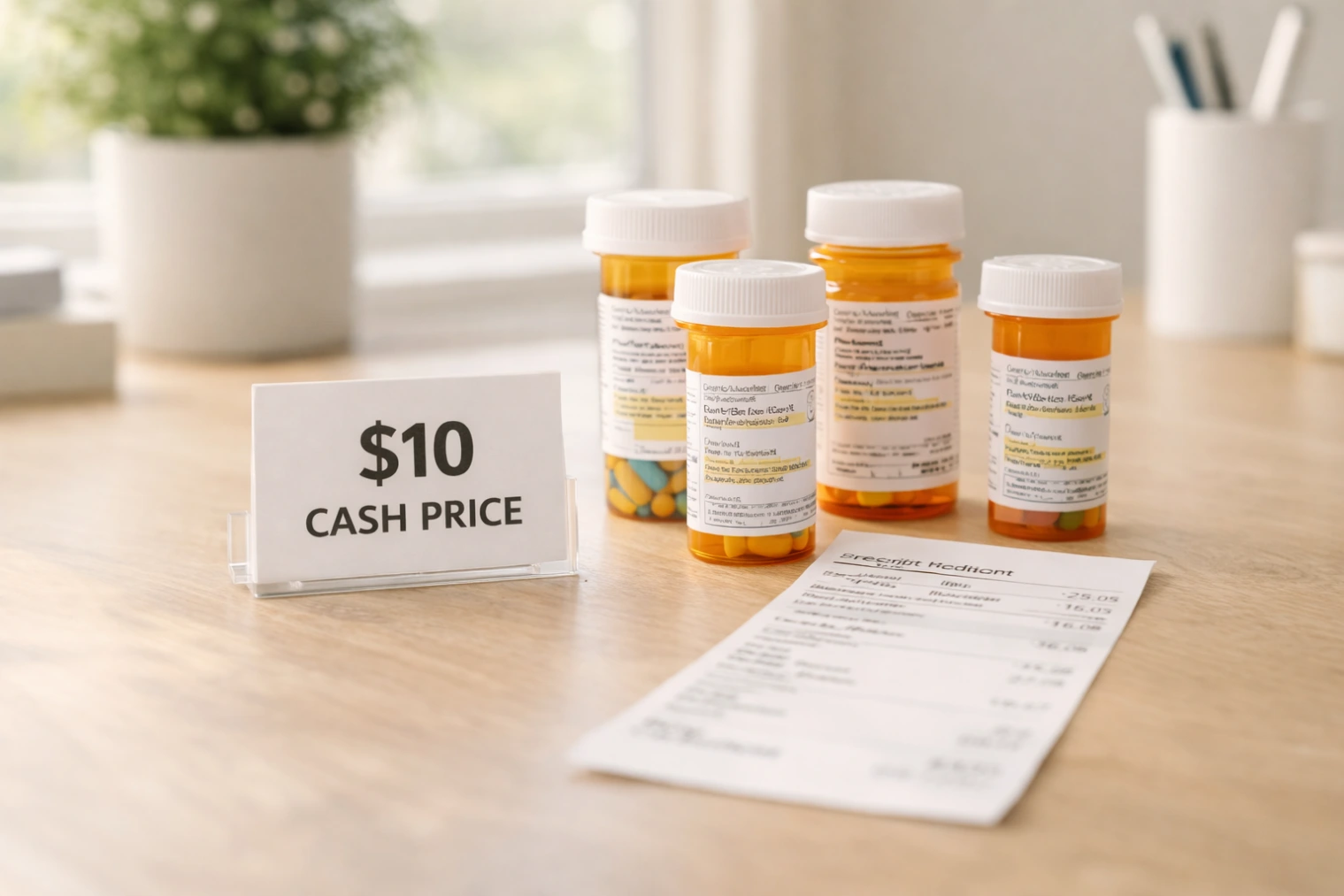
Some DPC clinics can offer select generic medications at transparent, cash-priced rates that compare favorably with insurance cost-sharing. Because the transaction does not run through a PBM adjudication system, it typically avoids point-of-sale requirements like prior authorization for those cash-priced dispensings. The approach does not remove every barrier for every drug, since inventory and wholesale availability still matter. It can, however, reduce friction for routine medications that fit within the clinic’s dispensing model.
The staff at Fountain of Youth in Fort Myers monitors PBM reform and local pricing shifts to help members navigate drug tiers, formularies, and cash-price comparisons. In many retail settings, patients may not receive proactive guidance that a cash price could undercut a copay. A DPC setting can discuss affordability directly during clinical decision-making, without contract-driven incentives tied to formulary placement. That alignment can make it easier to select a clinically appropriate option that a patient can also sustain financially.
Enhanced Clinical Outcomes Through Direct Dispensing
Convenience and affordability both shape whether a patient starts and continues a medication. The American Journal of Managed Care (AJMC) has discussed adherence as an ongoing process that improves when patients face fewer logistical barriers. Cost sensitivity matters as well, since patients commonly delay refills when out-of-pocket prices spike unexpectedly. Research summarized in an NIH-hosted review reports that each 10% increase in adherence has been associated with meaningful decreases in total annual health care costs across studied populations, even when pharmacy spending rises (NIH PubMed Central review).
Operational differences between PBM-managed networks and direct dispensing can also affect speed and predictability. The chart below compares common friction points that appear when a prescription runs through a PBM adjudication workflow versus a transparent, clinic-dispensed cash transaction. The comparison focuses on the point-of-sale experience, where many patients first feel the impact of hidden pricing rules.
| Feature | PBM-Managed Pharmacy | Transparent DPC Model |
|---|---|---|
| Prior Authorization | May apply for covered drugs; approval timelines can delay access. | Not part of a PBM claim workflow for cash-dispensed clinic inventory. |
| Data Use | Claims data flows through plan and PBM systems for adjudication and reporting. | Cash dispensing can reduce claim-based sharing for those transactions. |
| Formulary Stability | Coverage and tiers can change during a plan year under plan rules. | Not tied to insurer tiers; limited instead by clinic inventory and wholesale availability. |
| Wait Times | Can include queue time plus benefit verification at checkout. | Dispensing occurs at the visit when the medication is stocked in-clinic. |
| Network Incentives | Benefit design can steer utilization toward preferred channels. | Clinic decisions do not depend on PBM network contracts for cash dispensing. |
| Step Therapy | “Fail first” protocols can apply under plan rules for covered drugs. | Not applied as a PBM requirement for cash-dispensed clinic inventory. |
The Problem with Vertical Integration
Vertical integration occurs when a single corporate group owns or controls the insurer, the PBM, and pharmacy operations. Critics argue that this structure can incentivize “steering,” where benefit design nudges patients toward affiliated pharmacies rather than a truly open market. The Commonwealth Fund notes that vertical integration can increase incentives to steer patients to affiliated pharmacies and deepen transparency problems for employers and patients. When care and dispensing operate outside that integrated web, the clinical conversation can focus more directly on what the patient needs and what they can afford.
3 Practical Tips
- Compare the Cash Price First: Ask for the “usual and customary” cash price of a generic drug before running insurance, since it can undercut a mandated copay.
- Request a 90-Day Supply: For stable maintenance medications, a 90-day fill can reduce refill friction and improve continuity when it is clinically appropriate.
- Audit Your Insurance Formulary: Plan portals can show tier or coverage changes, which helps prevent surprise costs at the pharmacy counter.
Frequently Asked Questions About Transparent Medication
Why does my medication price change every time I visit the pharmacy?
Prices can fluctuate when PBMs update reimbursement benchmarks and maximum allowable cost (MAC) lists. Out-of-pocket costs can also change when a plan moves a drug to a different tier or changes preferred status. These shifts can happen even when the drug’s manufacturing cost stays stable. Asking for both the insurance price and the cash price can reveal whether a “discounted” benefit price truly helps.
How does Florida’s new law help me save money on my prescriptions?
SB 1550 increases PBM regulation and adds contractual requirements that target spread pricing and rebate pass-through. The Florida Senate summary describes a pass-through reimbursement model and a requirement that 100% of PBM-negotiated manufacturer rebates be passed to the plan for defined cost-sharing offsets and premium reduction. The summary also describes protections that support price disclosures and prevent certain point-of-sale overcharges when cash prices are lower. The combined effect aims to reduce hidden markups that can inflate prescription benefit spending.
Is the quality of cash-priced generic medications the same as name brands?
Generic medications must meet FDA standards for safety, strength, and quality. A lower cash price does not imply a lower standard for approved generics. Pricing differences often reflect contracting structures, rebates, and distribution economics rather than ingredient quality. Patients can confirm whether a product is FDA-approved by checking labeling and pharmacy documentation.
Can I use my Health Savings Account (HSA) to pay for medications at a DPC?
Many patients use HSA or FSA funds for eligible prescription expenses, though eligibility can depend on plan rules and documentation. A clinic can provide receipts that support reimbursement when the medication qualifies. Some membership fees may receive different treatment than prescription expenses, so patients often confirm with their plan administrator. Clear receipts and itemized statements reduce friction at reimbursement time.
Reclaiming the Doctor-Patient Relationship
Transparent pricing is not only a financial shift, since it can change how care decisions happen in real time. Research hosted by the National Institutes of Health (NIH) links stronger clinician-patient relationships with better engagement and long-term outcomes across multiple settings. When pricing rules become simpler, clinical conversations can focus on the best option a patient will actually start and continue. A model that reduces surprise costs can also reduce delays caused by last-minute substitutions at the counter.
Questions? We are here to help! Call 239-355-3294 to learn more about how transparent pricing can work for your family.
Florida’s pharmacy landscape suggests a future where high-deductible coverage pairs with the predictable costs of a Direct Primary Care membership. This strategy can protect against major medical events while keeping routine care and common medications more straightforward. By choosing models that reject the hidden markups of PBMs, patients can ensure that their healthcare spending supports their own wellness rather than intermediary profit. Staying informed about benefit design, pricing disclosures, and reform efforts remains the most reliable way to reduce avoidable prescription shocks.
Medical review: Reviewed by Dr. Keith Lafferty MD, Fort Myers on February 26, 2026. Fact-checked against government and academic sources; see in-text citations. This page follows our Medical Review & Sourcing Policy and undergoes updates at least every six months.