Here’s what you’ll learn when you read this article:
- Primary care serves as the essential diagnostic architect for coordinating multi-system symptoms and functional recovery over time.
- Identifying Post-Exertional Malaise (PEM) is vital for establishing a safe “energy envelope” and avoiding debilitating physical crashes.
- Strategic daily logging and targeted testing help patients distinguish Long COVID from other treatable issues like anemia or thyroid dysfunction.
The clinical landscape for managing post-acute sequelae of COVID-19 has matured, and primary care clinicians now serve as the central hub for longitudinal recovery. Patients can treat primary care as the coordinating center that connects symptom patterns, functional safety, and specialty referrals across months. Staff at the Fountain of Youth in Fort Myers track evolving guidance to support evidence-based care that prioritizes durable, whole-body stability. This primary care-led model recognizes Long COVID as a multi-system condition that rarely resolves through one single “perfect” test. Clinicians rely on structured symptom reporting and objective trends to support safe decisions, realistic expectations, and sustainable routines.
Diagnostic Realities and Functional Assessments
Clinicians in 2026 often prioritize functional assessment over broad, low-yield testing because daily capability reflects recovery more reliably than isolated results. The diagnostic process typically starts with a detailed history that focuses on triggers, recovery “crashes,” and ways the illness may amplify pre-existing conditions. Medical professionals document symptom clusters carefully, then track them over time against clinical benchmarks and functional goals. A 2025 meta-analysis reported a 36% global pooled prevalence rate for persistent symptoms, which supports structured follow-ups instead of one-off visits. Clinicians also ask about new limitations in school, work, or caregiving, because those shifts often predict a need for tighter monitoring. Targeted exams of the heart, lungs, and nervous system help identify structural concerns while avoiding invasive workups that rarely change management.
Identifying Symptoms for Evaluation
Patients should seek a dedicated evaluation when persistent fatigue, brain fog, or shortness of breath begins to disrupt baseline quality of life. These symptoms can signal a transition from routine viral recovery into a prolonged condition that benefits from structured clinical oversight. The CDC Clinical Guidance describes how symptoms can evolve, persist, or recur over time across multiple systems. Clinicians look for patterns that connect neurologic, respiratory, cardiovascular, and autonomic complaints, because multi-system involvement often shapes the care plan. Clear documentation helps providers adjust treatment strategies, plan referrals, and support accommodation or disability paperwork when appropriate.
Preparing for the First Clinical Visit
Arriving with a concise symptom timeline helps the clinician identify patterns that might be missed in a standard appointment. Patients should bring an updated list of medications and supplements, including any changes in tolerability or benefit since the original infection. Home measurements such as resting heart rate, standing heart rate, and oxygen saturation can add useful context to an office exam. Patients can also note sleep quality, hydration, and meal timing, because those variables often influence dizziness, fatigue, and cognitive clarity. This preparation supports a more focused discussion and reduces the chance that key triggers get overlooked.
The following table clarifies the diagnostic process by comparing Long COVID symptoms with other medical conditions that can produce similar effects. Primary care teams use comparisons like these to address treatable contributors such as nutrient deficiencies or hormonal imbalance while continuing a recovery-focused plan.
| Condition | Overlapping Symptom | Primary Care Diagnostic Tool | Why It Matters |
|---|---|---|---|
| Iron Deficiency / Anemia | Fatigue, Shortness of breath | CBC and Ferritin panels | Low iron stores can mimic post-viral fatigue but need different treatment decisions. |
| Hypothyroidism | Brain fog, Cold intolerance, Fatigue | TSH and Free T4 tests | Thyroid dysfunction can worsen cognitive slips and energy limits during recovery. |
| Obstructive Sleep Apnea | Unrefreshing sleep, Morning headache | Sleep study or Home oximetry | Poor nighttime oxygenation can block restoration and intensify daytime fatigue. |
| Vitamin B12 Deficiency | Numbness, Tingling, Brain fog | Serum B12 and MMA testing | Nerve-related symptoms may reflect nutritional gaps rather than direct viral injury. |
| POTS / Dysautonomia | Dizziness, Rapid heart rate | Orthostatic vitals (Tilt-table) | Understanding orthostatic response helps clinicians tailor hydration, salt, and activity pacing. |
| Mast Cell Activation (MCAS) | Rashes, GI issues, Flushing | Symptom trigger diary / Lab markers | Histamine-related flares can follow infection and may respond to targeted strategies. |
| Post-Viral Deconditioning | Shortness of breath on exertion | CPET (Cardiopulmonary Exercise Test) | Testing can separate cardiopulmonary limitation from fitness loss and guide safer rehab. |
Identifying Symptoms Requiring Immediate Medical Attention
Safety remains the top priority, especially when symptoms suggest heart or lung complications. Clinicians watch for red flags such as chest pain, severe shortness of breath, or major oxygen drops during light activity. These signs can point to blood clots, myocarditis, or significant lung disease that requires urgent evaluation and imaging. Primary care clinicians typically rule out higher-risk conditions before shifting focus toward longer-term symptom management. Early safety screening also helps patients avoid harmful self-triage when symptoms feel unpredictable or alarming. When clinicians address urgent risks quickly, they can build a more stable foundation for recovery planning.
Distinguishing Between Recovery and Emergencies
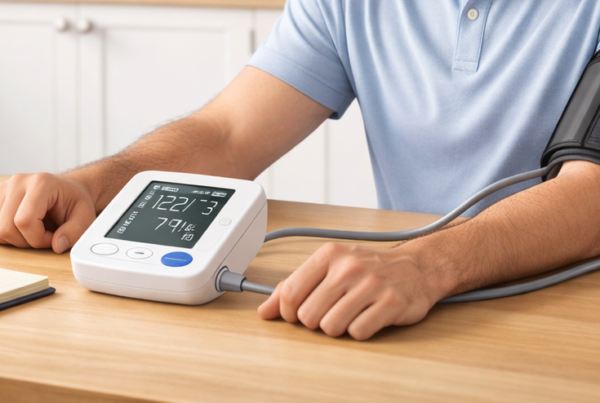
Knowing the difference between a symptom flare and an emergency supports both safety and peace of mind. Many symptoms feel intense without being immediately dangerous, but chest pain warrants prompt professional evaluation. The World Health Organization notes that about 6 in 100 people with COVID-19 develop post COVID-19 condition, and presentations can vary widely across individuals. Clinicians often teach patients which vitals to track at home so they can respond calmly while staying appropriately alert. Pulse oximetry and blood pressure readings can provide objective context when a new symptom appears or a familiar symptom changes. A clear plan for escalation reduces uncertainty during periods of fluctuating symptoms.

Decoding Post-Exertional Malaise and Energy Management
Decoding Post-Exertional Malaise and Energy Management
Post-exertional malaise represents a core physiological pattern that can reshape recovery planning. Many patients experience a delayed “crash,” where physical, mental, or emotional effort leads to symptom escalation 24 to 72 hours later. Recognizing this pattern matters because generic exercise advice can backfire and reduce functional capacity over time. Clinicians treat pacing as a clinical skill that helps patients stop activity before symptoms accelerate. This strategy aims to keep daily life within an “energy envelope,” which reduces boom-and-bust cycles that can destabilize progress. The desire to return to normal routines often clashes with biology, so recovery planning usually benefits from slower, more deliberate adjustments.
Recognizing the Delayed Crash Pattern
The delayed timing of post-exertional malaise can obscure the connection between activity and the next-day downturn. Documenting the timing of crashes helps clinicians adjust rehabilitation decisions and guide school or work accommodations. Clear tracking also helps patients interpret fatigue as a physiological response rather than a character flaw. Effective management often requires shifting from “pushing through” toward preserving energy for essential tasks. Some patients describe feeling “wired but tired” after demanding days, which can signal nervous system overstimulation. Recognizing those early signals can prevent larger setbacks.
Implications for Physical Rehabilitation
Standard physical therapy can feel too aggressive for people with pronounced post-exertional malaise. Clinicians sometimes recommend modified, heart-rate-monitored movement instead, with careful attention to delayed symptom response. This approach reduces the risk of prolonged setbacks and supports steadier, safer gains. Providers typically clarify whether the goal involves returning to sports or maintaining basic household function. Rehabilitation choices tend to work best when they match the patient’s current limits rather than an assumed baseline. Tailoring activity to function can provide more reliable progress than generic exercise prescriptions.
Clinical Strategies for Symptom Clusters
Long COVID care often becomes clearer when symptoms are grouped into clusters such as autonomic, cognitive, respiratory, or sleep-related issues. Primary care teams typically prioritize the symptoms that disrupt daily life most, especially those affecting sleep, mobility, or work capacity. A stepwise plan may include follow-ups to adjust medications, hydration approaches, or salt strategies for people dealing with dizziness and heart rate shifts. Many patients benefit when the plan includes specific monitoring targets and a timeline for reassessment. If questions about symptoms or recovery goals need a clinician-guided discussion, call 239-355-3294.
Managing Brain Fog and Cognitive Slips
Cognitive pacing and practical supports can help patients manage memory slips and concentration problems. Clinicians often screen for secondary contributors such as sleep apnea, mood disruption, or medication effects that can intensify cognitive symptoms. Addressing those factors can improve clarity without relying on higher-risk medications. Patients sometimes find that short work blocks, followed by planned breaks, support steadier productivity. Some clinicians also recommend reducing digital overstimulation when screens worsen headaches, fatigue, or sensory sensitivity. Small environmental changes can add up when cognitive reserves feel limited.
Addressing Sleep and Mood Disruptions
Sleep disruption can act as both a symptom and a driver of other problems, so sleep stabilization often becomes a central target. Clinicians recognize that anxiety and post-illness stress can be real medical consequences, and they integrate mental health support when it helps function. A combined approach may include sleep hygiene strategies, carefully chosen treatments, and structured follow-ups to measure impact. When sleep improves, many patients report less severe fatigue and fewer cognitive lapses. Mood support can also improve adherence to pacing strategies when recovery feels slow. Stabilizing sleep often creates the most noticeable early gains.
The Impact of Reinfection and Prevention
Reinfection remains a concern in 2026, because new infections can disrupt progress and intensify symptoms for some patients. Primary care teams often discuss seasonal surges, household risk reduction, and vaccination timing as part of long-term planning. Information about vaccine composition and formulation changes, including the 2024-2025 formula (KP.2), supports discussions about maintaining up-to-date protection for individual risk profiles. If reinfection is suspected, clinicians may recommend more rest and a temporary reduction in activity to reduce relapse risk. Planning ahead can also help patients navigate travel, work demands, and family obligations more safely. Prevention discussions work best when they match the patient’s risks and daily realities.
Planning for Seasonal Risks and Travel
Patients can work with clinicians to create a practical “surge plan” for higher-risk periods. Plans may include improved ventilation, high-quality masking choices, or avoiding the most crowded indoor settings during local spikes. Individualized planning can reduce uncertainty while supporting participation in daily life. Clinicians may also discuss prophylactic options for patients with higher medical risk, depending on eligibility and local availability. Many people find that portable air filtration and outdoor gatherings reduce risk without total isolation. A realistic plan often helps patients protect health while maintaining social connection.
Navigating Care After a New Infection
The weeks after reinfection can be a sensitive window for symptom escalation or new symptom development. Clinicians often recommend a conservative return to activity, with rest prioritized over “catching up” immediately. Close monitoring during this period supports earlier intervention if autonomic, respiratory, or cognitive issues intensify. Patients can also use symptom logs to identify whether changes reflect a short flare or a more persistent shift. A cautious approach can help protect long-term function when recovery already feels fragile. Recovery planning typically works best when it respects delayed effects.
Pediatric Considerations in Persistent Recovery
Long COVID can look different in children and teens, sometimes presenting as reduced school performance, mood changes, or withdrawal from sports. Families may seek deeper evaluation when headaches, stomach symptoms, dizziness, or personality shifts persist after a viral illness. Primary care teams often focus on pacing, school adjustments, and symptom tracking to protect function while supporting development. Coordination with school nurses, counselors, and teachers can help maintain academic progress without triggering repeated crashes. Families also benefit from clear language that separates symptoms from motivation or behavior. Pediatric planning usually works best when it builds predictable routines around limited energy.
Supporting School Attendance and Sports
Gradual return to sports and physical education often requires caution to avoid triggering post-exertional malaise. Teachers and coaches may need to understand that brain fog and fatigue reflect physical symptoms rather than effort or attitude. Adjustments can preserve social connection while preventing overextension. Many pediatric plans improve when families track patterns together, including delayed symptom responses after busy days. Some students do better with modified schedules that include a quiet rest period. Small changes can prevent larger school disruptions when energy limits fluctuate.
Sustaining Long-Term Wellness and Monitoring
Progress in Long COVID care often shows up as improved daily function and fewer crashes, not just normal lab values. A simple daily log can reveal trends that feel invisible when symptoms vary day to day. If progress stalls, the clinician and patient can revise the plan rather than waiting indefinitely for resolution. Continued care can remain appropriate even when tests look normal, because functional impact remains a central guide for decisions. Clinicians often use shared decision-making to align goals with realistic pacing and symptom control. A steady plan usually supports better outcomes than cycles of overexertion and recovery.
Using Symptom Diaries Effectively
A brief daily log that tracks the same few data points can produce the most useful information for clinical visits. Many patients choose sleep quality, activity level, and symptom severity to keep the process sustainable. Consistent tracking helps clinicians separate a temporary flare from a meaningful decline that requires a plan change. Clear examples of real-life impact can also improve care planning and accommodation decisions. Over time, useful markers often shift from survival tasks to functional goals, such as walking for ten minutes without a next-day crash. Small, consistent data tends to beat detailed logs that patients cannot maintain.
FAQ
Can I have Long COVID even if I never tested positive?
Some people developed persistent symptoms when testing was unavailable or when acute tests produced false-negative results. Clinicians in 2026 can evaluate Long COVID based on symptom patterns and timing relative to a suspected infection, even without a documented positive test. This approach focuses on the clinical picture and functional impact rather than a single historical result. A structured evaluation can still rule out other causes while supporting recovery planning. Patients often benefit when care starts from current symptoms, not from what paperwork exists.
What tests should I expect at a primary care visit?
Many visits include a focused evaluation of heart, lungs, and nervous system, plus blood work that rules out common contributors such as thyroid disease or anemia. Clinicians may also check orthostatic vitals to see how heart rate and blood pressure respond to standing. The goal is to target tests that clarify decisions rather than ordering broad panels that rarely change management. Results can help clinicians set safer activity guidance and identify treatable contributors. More intensive testing usually becomes appropriate when red flags or abnormal findings appear.
When is it safe to return to exercise or the gym?
Return to exercise usually works best after a sustained period of stability without crashes or post-exertional malaise. Many clinicians recommend starting with very low-intensity movement and watching for delayed symptom worsening the next day. If symptoms spike, patients may have exceeded the energy envelope and can scale back to protect function. A gradual plan tends to work better than ambitious targets, especially when recovery remains unpredictable. Consistency and symptom stability often matter more than intensity.
How do I know if my care plan is working?
Progress often looks like fewer symptoms during daily tasks and shorter recovery times after activity. Many people notice more “good days” over time, with less severe flare-ups when symptoms do appear. If function stops improving or declines, clinicians can reassess pacing, sleep, medications, and contributing conditions. A working plan usually reduces fear by making symptoms more predictable and manageable. Over time, patients often regain confidence through stable routines and measurable functional gains.
Medical review: Reviewed by Dr. Keith Lafferty MD, Fort Myers on February 19, 2026. Fact-checked against government and academic sources; see in-text citations. This page follows our Medical Review & Sourcing Policy and undergoes updates at least every six months.