Takeaways
- Modern DPC models are increasingly incorporating virtual tools that give patients easier, faster access to care.
- Remote monitoring and secure messaging help manage chronic conditions and maintain strong physician relationships between visits.
- Patients should ask what digital options are available today and what innovations may be on the horizon.
Today’s patients expect more than quick appointments—they want continuity, clarity, and a real relationship with their clinician. As Direct Primary Care (DPC) grows, many practices also add telehealth, secure messaging, and remote patient monitoring to extend care between in-person visits. The practical question is not whether these tools exist, but how they change access, follow-up, and decision-making when new symptoms appear. This guide explains what DPC telehealth can handle well, where it has limits, and what to ask before choosing a membership.
Not every clinic offers the same digital experience, even when they all use the DPC label. Some memberships include scheduled video visits, others lean on phone check-ins, and others focus on messaging with clear response expectations. A useful way to evaluate fit is to ask what problems the practice expects to solve digitally—medication adjustments, lab follow-ups, chronic-condition coaching, or quick triage when something feels off. When those expectations are explicit, patients get fewer surprises and more consistent support.
Virtual Visits That Actually Work
One of the biggest shifts in modern DPC is how often care can start remotely, without waiting weeks for an opening. Video visits work well for medication reviews, symptom updates, lab-result conversations, mild infections, skin concerns that show clearly on camera, and follow-ups where the plan needs refinement rather than a hands-on exam. Virtual care has limits, and a good clinic will say so: severe pain, breathing trouble, chest symptoms, neurological changes, or anything that may require a focused exam should move to in-person care or urgent evaluation. Phone visits still matter, since they can be faster and more reliable for patients with limited internet.
Evidence suggests virtual care can improve access and patient satisfaction in primary care settings, including in the 2022 scoping review published in the NIH’s PubMed Central. The key takeaway for patients is practical: faster touchpoints often prevent small problems from dragging on until they become bigger, more expensive issues. Virtual visits also make it easier to stay consistent with follow-ups, which matters for medication tolerability, blood pressure trends, and symptom tracking. The best experience comes when the clinic sets clear expectations for scheduling, response time, and when an in-person visit becomes the safer next step.
Message Your Doctor Like a Human Being
Digital communication doesn’t end with telehealth appointments, and secure messaging often becomes the most-used tool in a membership. It works best for focused questions, quick updates after a medication change, clarification of instructions, refill requests, and follow-ups on labs or imaging. Patients should ask about expectations: typical response windows, whether messages go directly to the clinician, and what issues should never wait in a message thread. When the rules are clear, messaging feels less like a portal chore and more like an extension of a real clinical relationship.
Some DPC clinics offer encrypted messaging directly with the physician, which can reduce delays and cut down on repeated appointments for small decisions. Patients should still ask the right safety questions: whether the tool is HIPAA-compliant, how access is controlled, whether messages become part of the medical record, and what happens if a message arrives outside business hours. When a practice is transparent about privacy and workflow, patients gain confidence that convenience does not come at the expense of security or clinical judgment.
Real-Time Monitoring of Chronic Conditions from Home
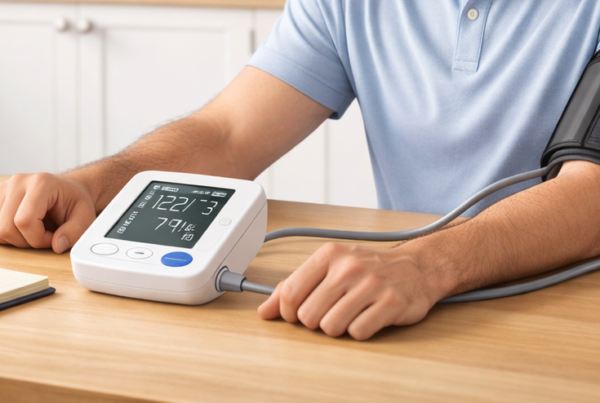
If you live with a chronic condition like high blood pressure or diabetes, expect DPC to increasingly meet you where you are—literally. Remote Patient Monitoring (RPM) uses connected devices to send real-time health data to your provider. Think smart blood pressure cuffs or continuous glucose monitors that sync automatically.
A 2024 study published by the National Institutes of Health found that patients in RPM-enabled clinics achieved significantly better blood pressure control than those receiving usual care. The difference lies in early detection. If your numbers spike, your doctor can act before it turns into a crisis.
Who Actually Benefits the Most?
These technologies aren’t just for early adopters. If you’re juggling a busy work schedule, caregiving responsibilities, or mobility issues, virtual access can be a game-changer. Patients in rural areas or without reliable transportation are often the first to benefit. Likewise, people managing multiple medications or conditions often appreciate the ease of uploading data instead of constantly booking visits.
According to a realist review of RPM effectiveness, the greatest impact comes when remote monitoring is paired with fast response systems—something DPC is structurally built to support.
Different patients use digital tools in different ways, depending on health needs, schedule constraints, and comfort with technology. This table breaks down which patient situations tend to benefit most from each digital option commonly used in modern DPC settings.
| Patient Type | Telehealth | Secure Messaging | Remote Patient Monitoring (RPM) |
|---|---|---|---|
| Working Professionals | Ideal for quick check-ins without taking time off work. | Useful for brief clarifications or prescription questions. | Rarely needed unless managing a chronic issue. |
| Older Adults with Mobility Issues | Reduces the need for frequent travel to appointments. | May require caregiver assistance for setup or use. | Highly effective for tracking blood pressure or glucose remotely. |
| Parents with Young Children | Helps manage common concerns like rashes or fevers without office visits. | Convenient for sharing updates or sending follow-up questions. | Occasionally helpful for chronic pediatric conditions. |
| Chronic Condition Patients | Useful for medication adjustments and symptom discussions. | Essential for ongoing contact and care plan updates. | Crucial for day-to-day tracking and earlier intervention when trends shift. |
What Might the Next Few Years Look Like?
Expect your DPC experience to become more personalized. Imagine using a mobile app to view your health trends, schedule appointments, or message your physician in one place. Think about getting dietary guidance linked to your blood sugar trends or adjusting medications based on blood pressure readings uploaded that morning. Many of these features already exist in hospital systems or corporate health plans. But as costs drop and tools improve, they’re trickling into the DPC space—slowly but steadily.
The team at Fountain of Youth DPC keeps a close eye on these trends to ensure patients benefit from what works—not just what’s new.
What’s Still Important to Ask?
As a patient, it’s reasonable to ask exactly what digital access looks like before you enroll. Not every clinic offers video visits, and not every messaging system operates the same way. A helpful set of questions includes: how quickly messages are answered, whether after-hours concerns have a clear pathway, what symptoms trigger an in-person exam, and whether remote monitoring is offered for blood pressure, diabetes, or medication safety. Some practices prioritize longer in-person visits, while others rely on frequent digital touchpoints to keep plans on track. If you want to understand what options are available today, call 239-355-3294 and ask what virtual tools are included and how they’re used in daily care.
Three Practical Tips for Patients Embracing Digital Care
- Ask what digital options exist: Before signing up with a DPC provider, find out whether they offer video visits or secure messaging.
- Use at-home tools when possible: Invest in a validated blood pressure cuff or glucometer if you have chronic conditions. Your readings could help guide real decisions.
- Keep a digital record: Whether it’s screenshots or app data, having your numbers ready for each visit can speed up care and make your concerns clearer.
FAQ
Do all DPC clinics offer telehealth?
No. While many DPC practices use telehealth, it’s best to ask each clinic what services they include in the membership.
Can I still visit my doctor in person?
Absolutely. Even as digital tools grow, in-person care remains the backbone of most DPC relationships.
What kinds of things can I do remotely?
You can often handle medication questions, follow-ups, lab result discussions, and chronic condition check-ins via video or messaging.
Will my insurance cover these services?
DPC generally doesn’t bill insurance, but your catastrophic insurance or HSA may still be compatible. Check with both your provider and insurer.
Is my data secure with these tools?
Reputable systems follow strict HIPAA rules. Still, it’s smart to ask how your data is stored and used before opting in.
What if I’m not great with tech?
Most tools are designed to be simple, and many practices offer support. Don’t let tech concerns keep you from convenient care.
Where Fountain of Youth SWFL Fits In
We don’t claim to offer every digital tool available—but we stay current with what’s proven to benefit real people. If you’re curious about how virtual options might fit into your care, we’re happy to talk you through it. Call us at 239-355-3294 to find out what’s available today and what’s coming soon.
Medical review: Reviewed by Dr. Keith Lafferty MD, Fort Myers on November 30, 2025. Fact-checked against government and academic sources; see in-text citations. This page follows our Medical Review & Sourcing Policy and undergoes updates at least every six months.